
In addition to the ‘tiny forest’ mentioned earlier, there is a north facing shady border that runs along a public pathway. Here it’s possible for trees to grow a bit bigger without casting shade or overhanging anyone else’s property.
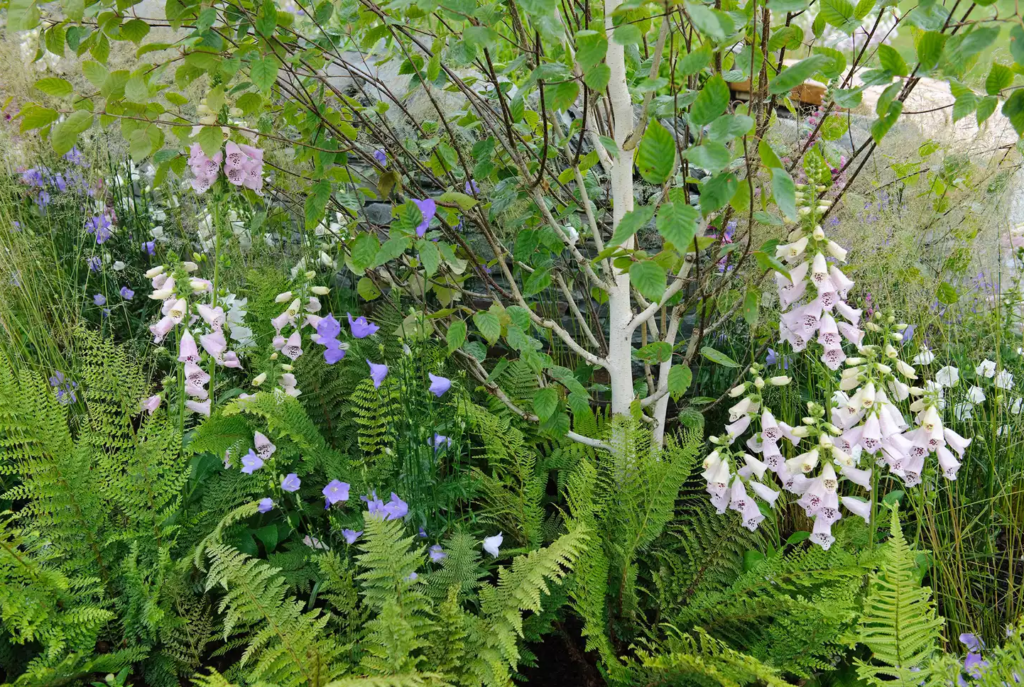
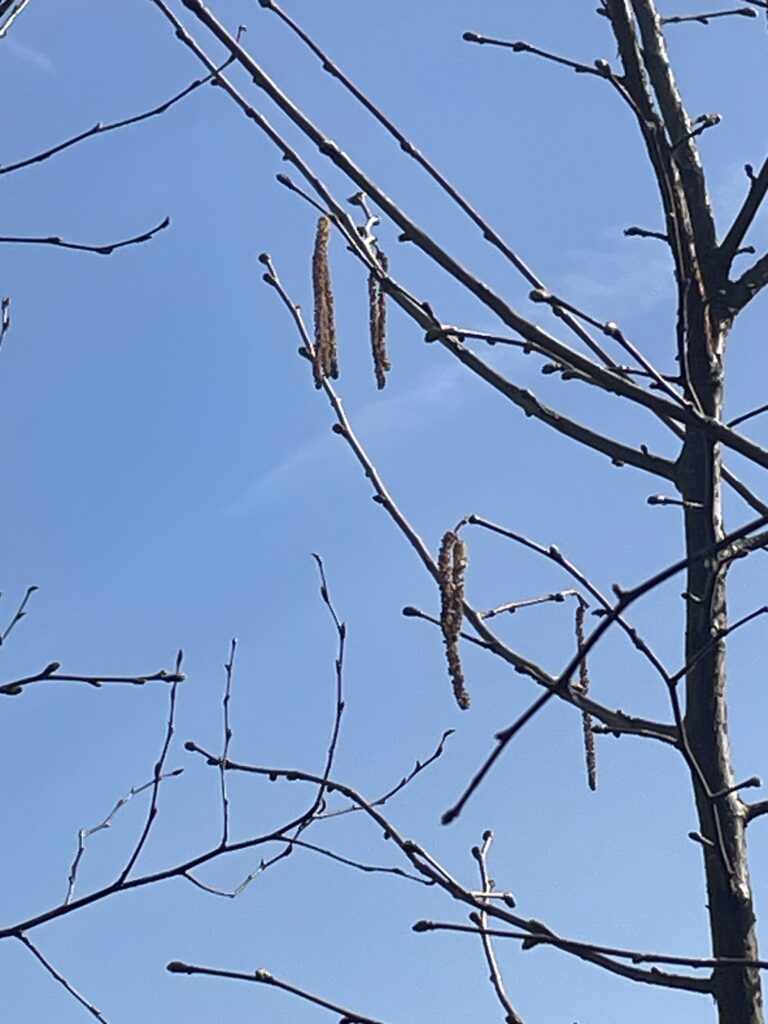
I cam across the above photo of a silver birch tree, with foxgloves and ferns around and thought that would be perfect!
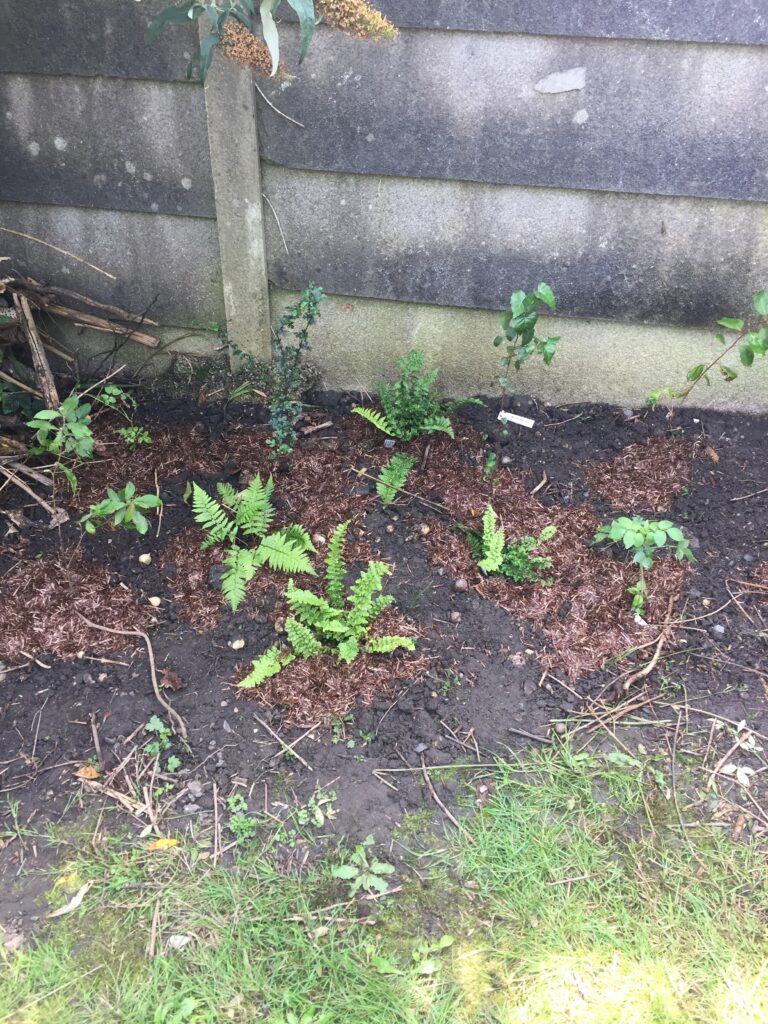
First the border had to be cleared of non-native invasive montbretia and winter jasmine. Then a mini woodland could be planted! In addition to a silver birch tree, more elder, hazel and hawthorn were planted for density.
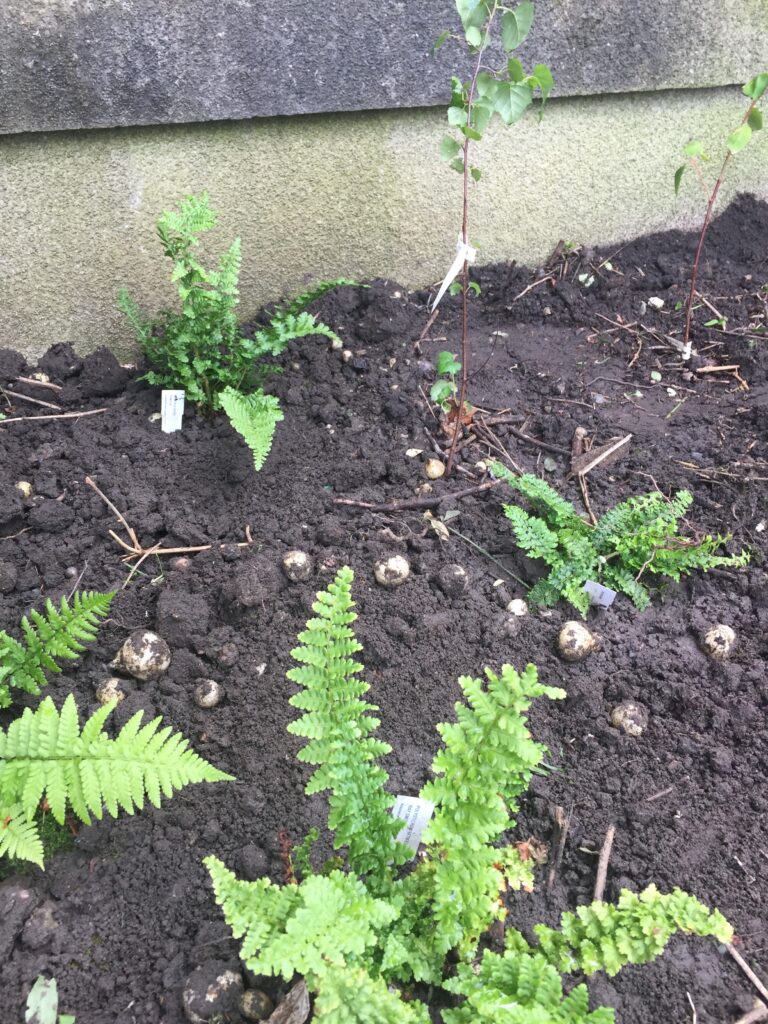
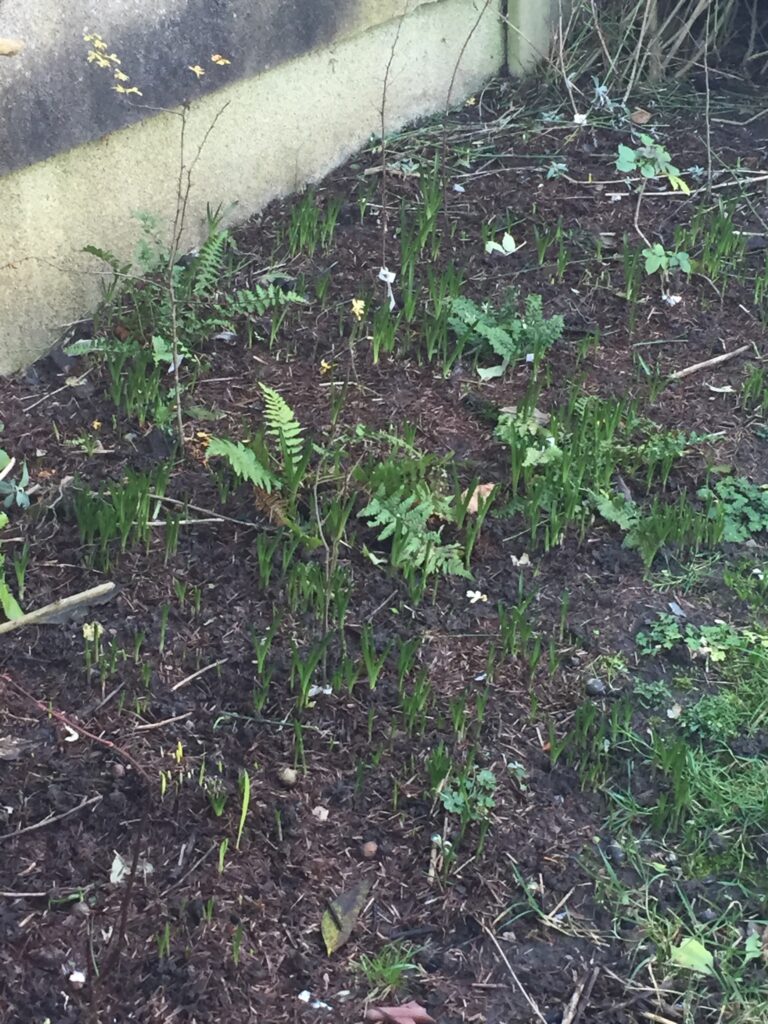
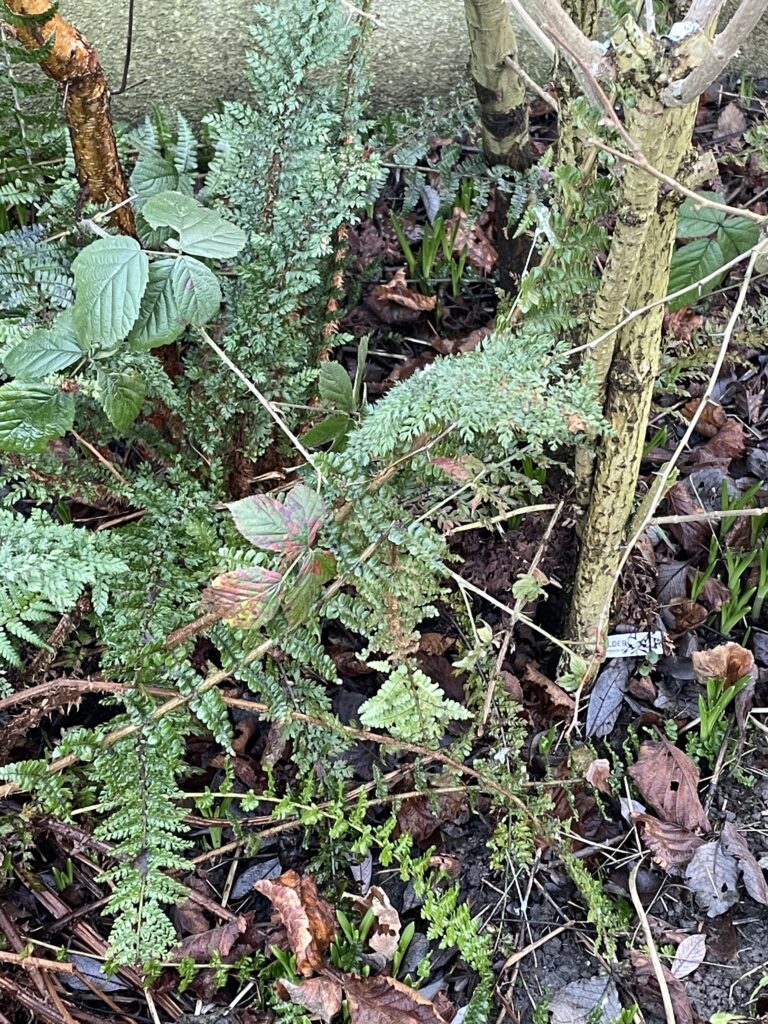
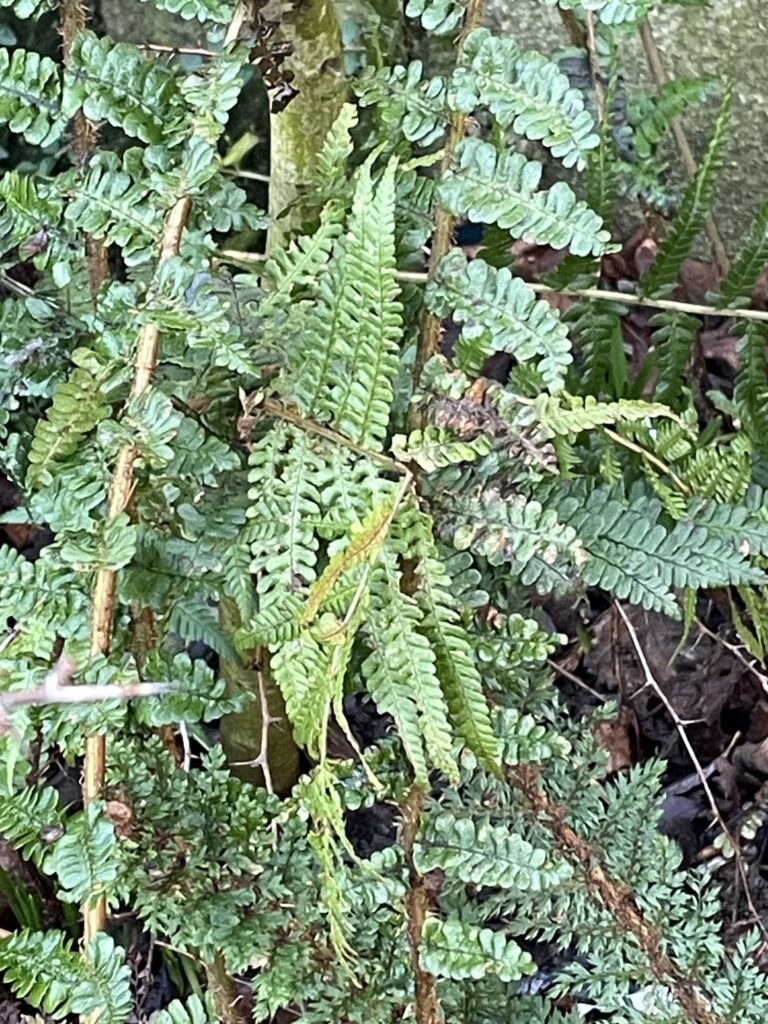
Native ferns were ordered and planted, and foxglove seeds sewed liberally!

The ferns and trees have taken well, but only ever saw one foxglove.
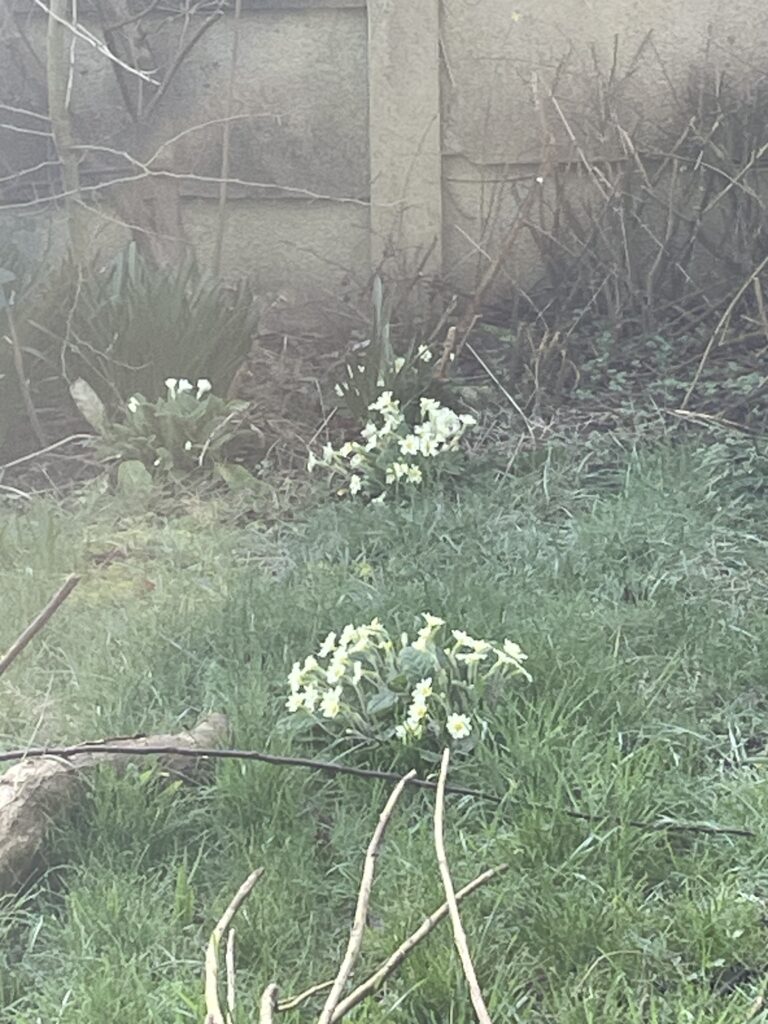
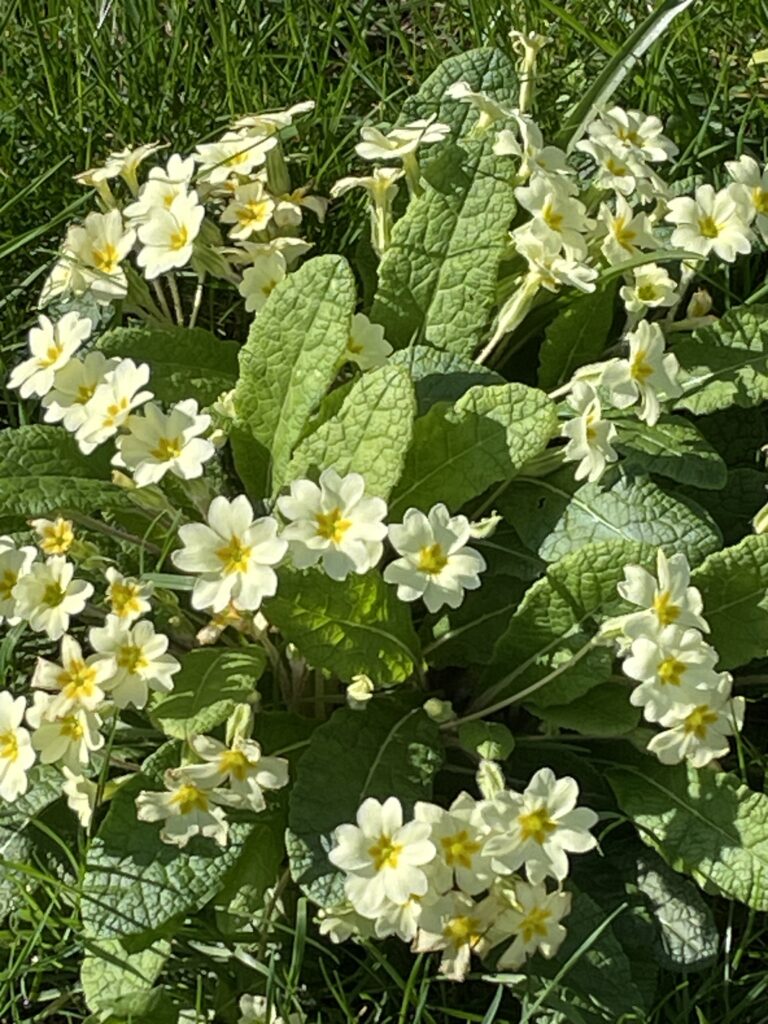
No problem though, there are many native bluebells, and some beautiful primroses (descendants of ornamental polyanthus) that have now returned to their native form. So it has a natural woodland feel, congruent with the local bluebell woods nearby.


Leave a Reply