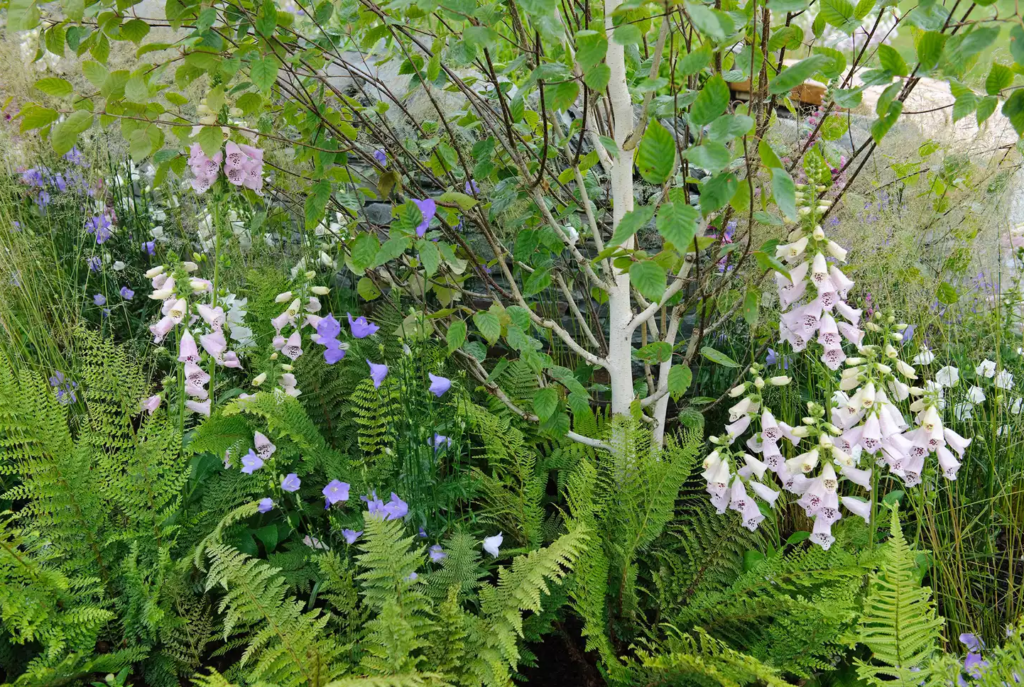
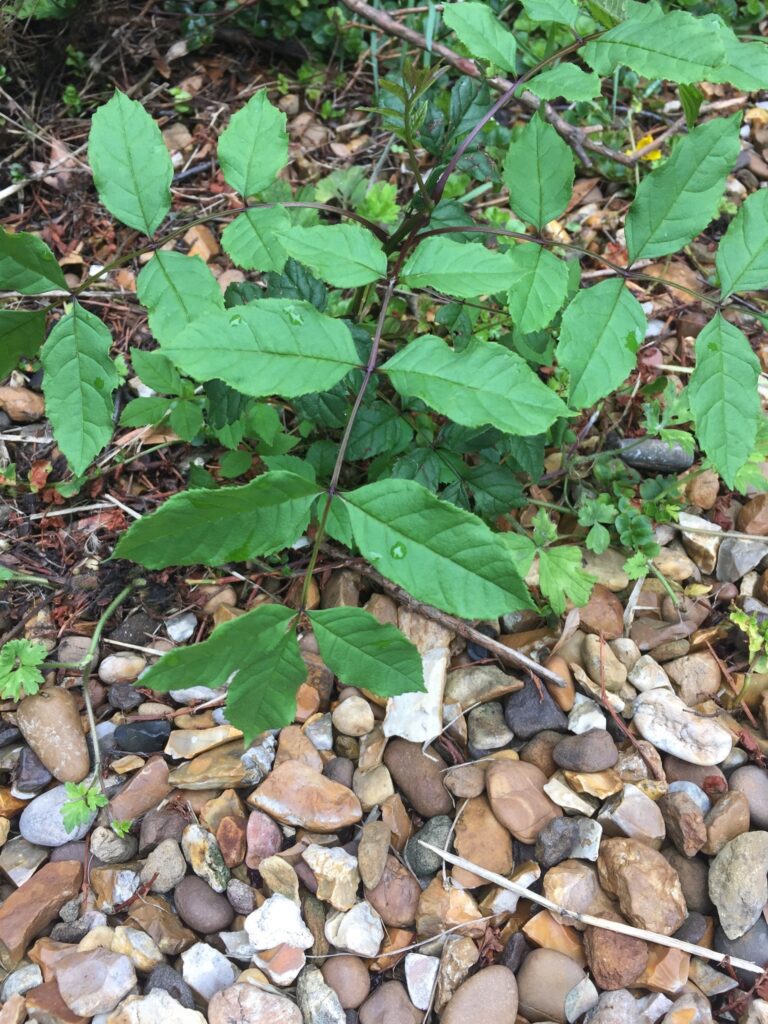
Online image (photo credit unknown). Finding this image online provided the original inspiration to turn a shady border into a native woodland.
In addition to the ‘tiny forest’ mentioned earlier, there is a north facing shady border that runs along a public pathway. Here it’s possible for trees to grow a bit bigger without casting shade or overhanging anyone else’s property.
I cam across the above photo of a silver birch tree, with foxgloves and ferns around and thought that would be perfect!
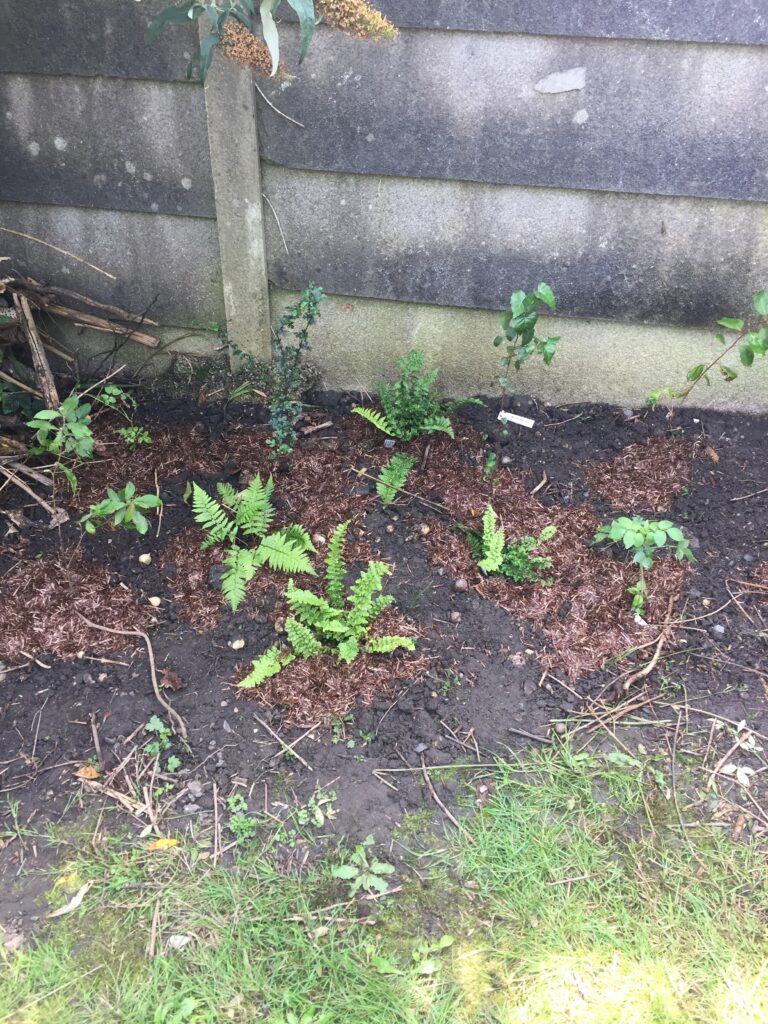
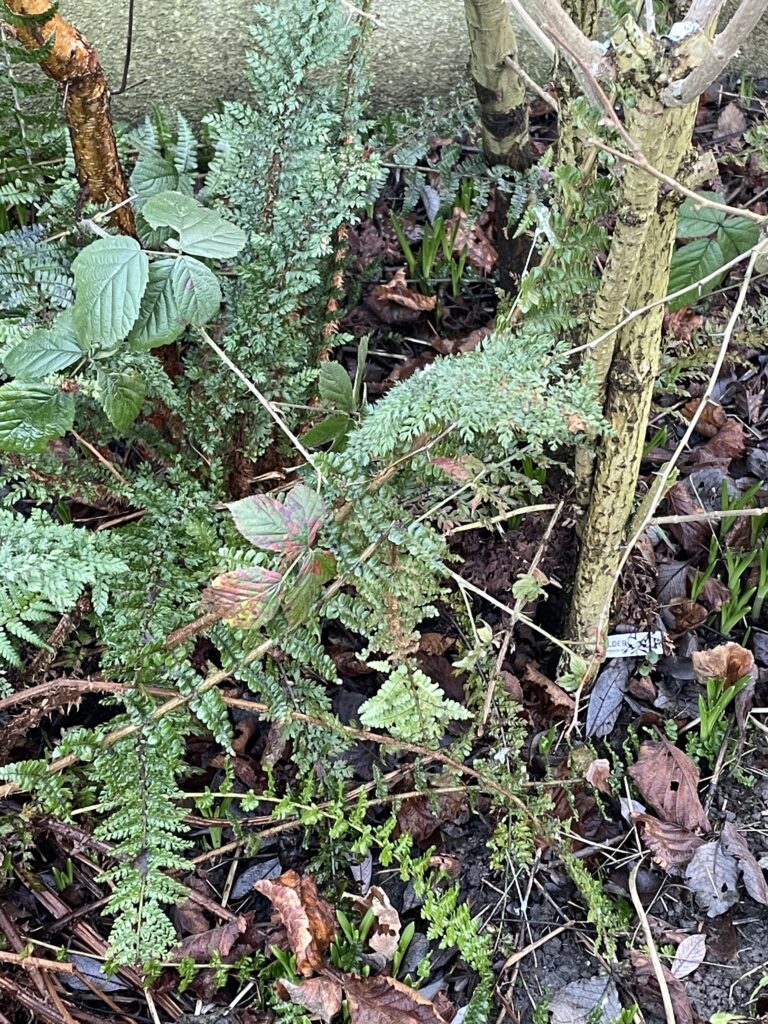
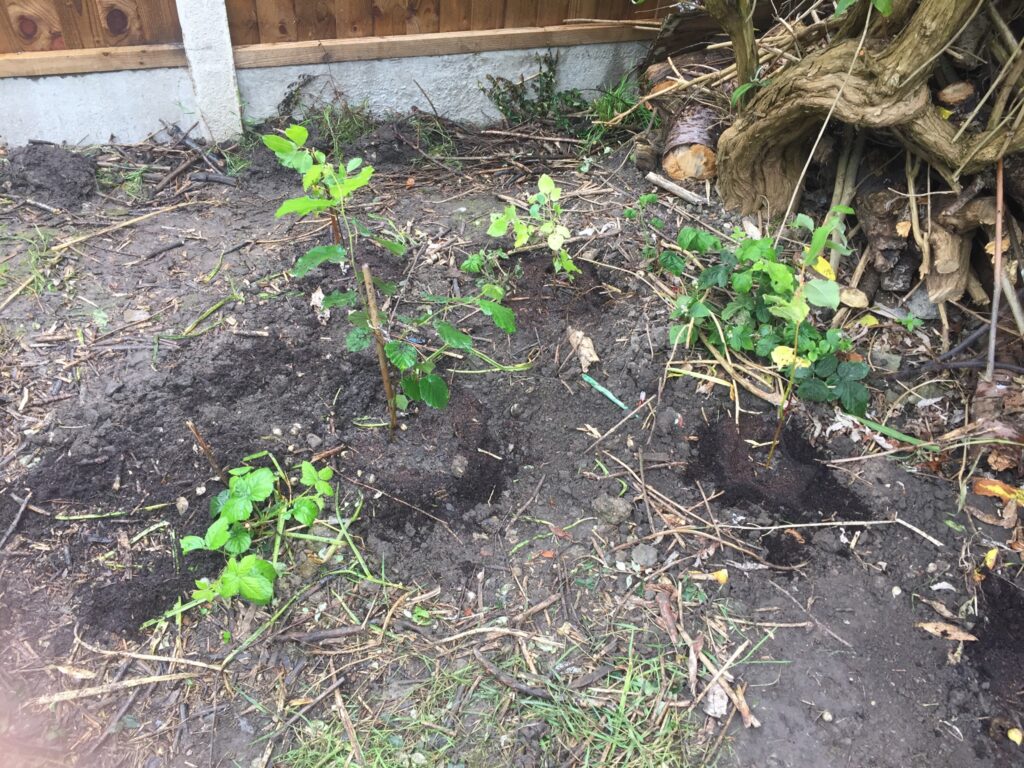
2020: newly planted elder, hazel, hawthorn, silver birch and ferns.
First the border had to be cleared of non-native invasive montbretia and winter jasmine. Then a mini woodland could be planted! In addition to a silver birch tree, more elder, hazel and hawthorn were planted for density.
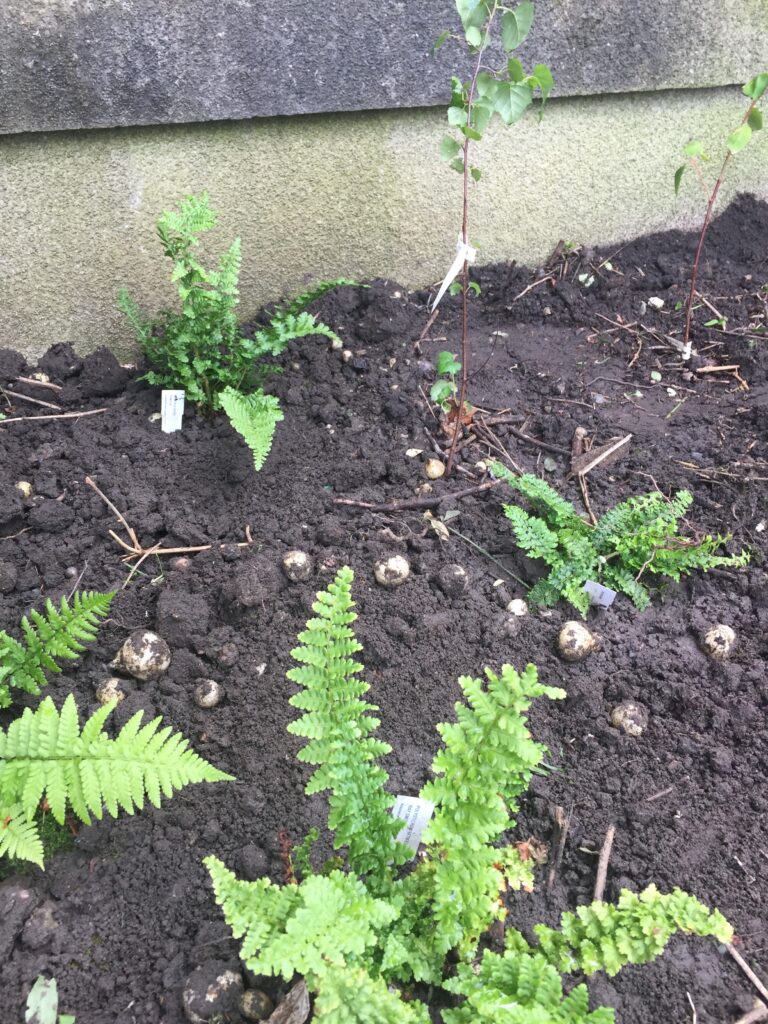
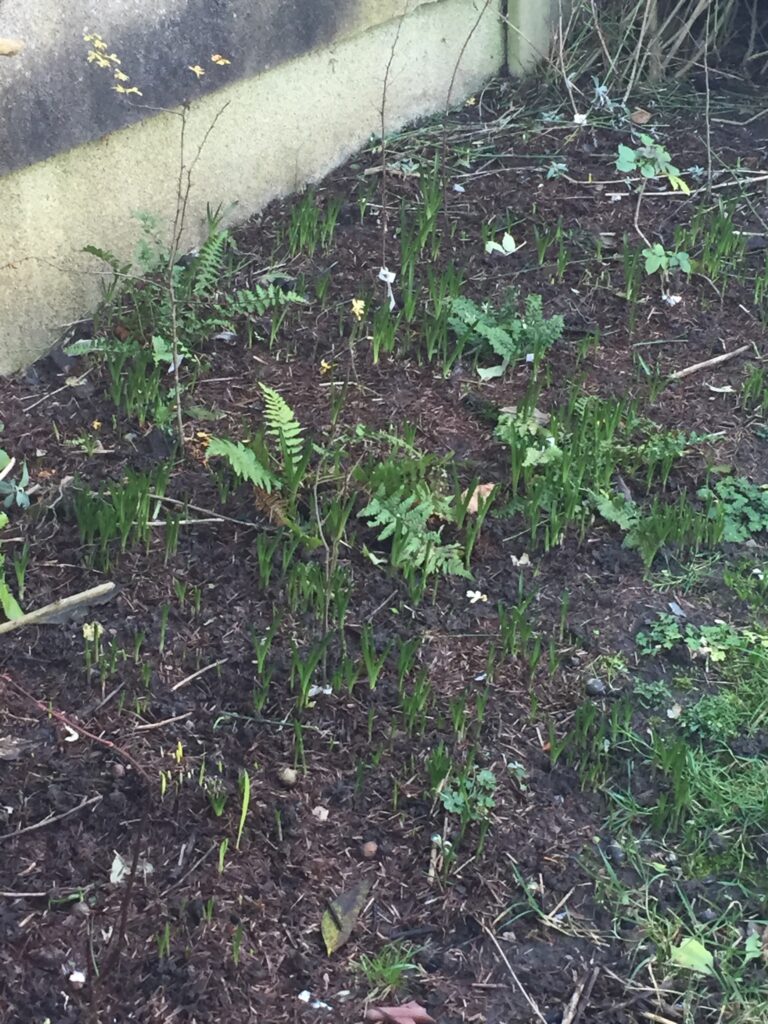
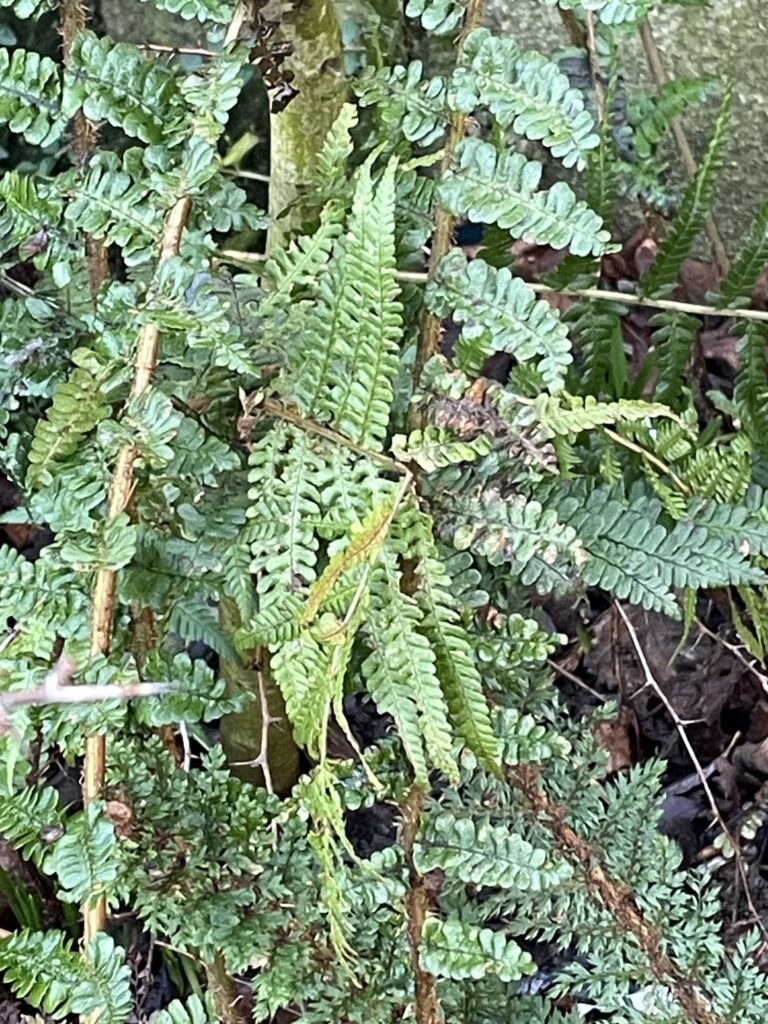
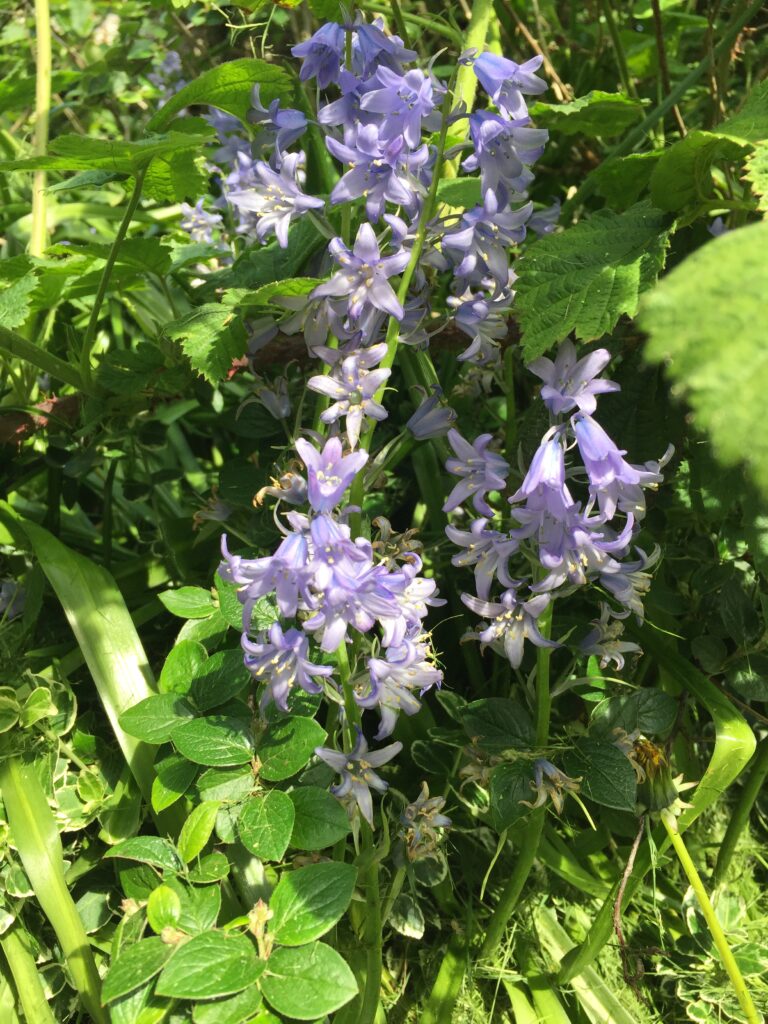
Newly planted fernsBluebell shoots coming through in spring, among the newly planted trees and ferns.
Native ferns were ordered and planted, and foxglove seeds sewed liberally!
Spring 2026 Established shady woodland border: elder, hazel, hawthorn,silver birch, bluebells and primroses.
The ferns and trees have taken well, but only ever saw one foxglove.
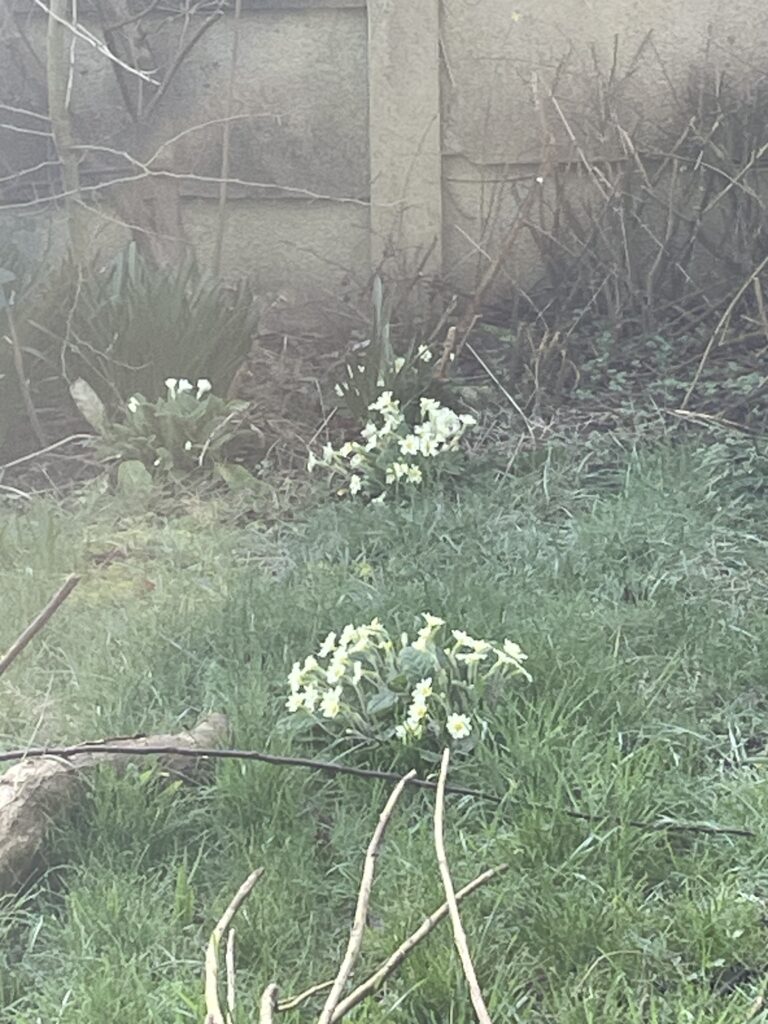
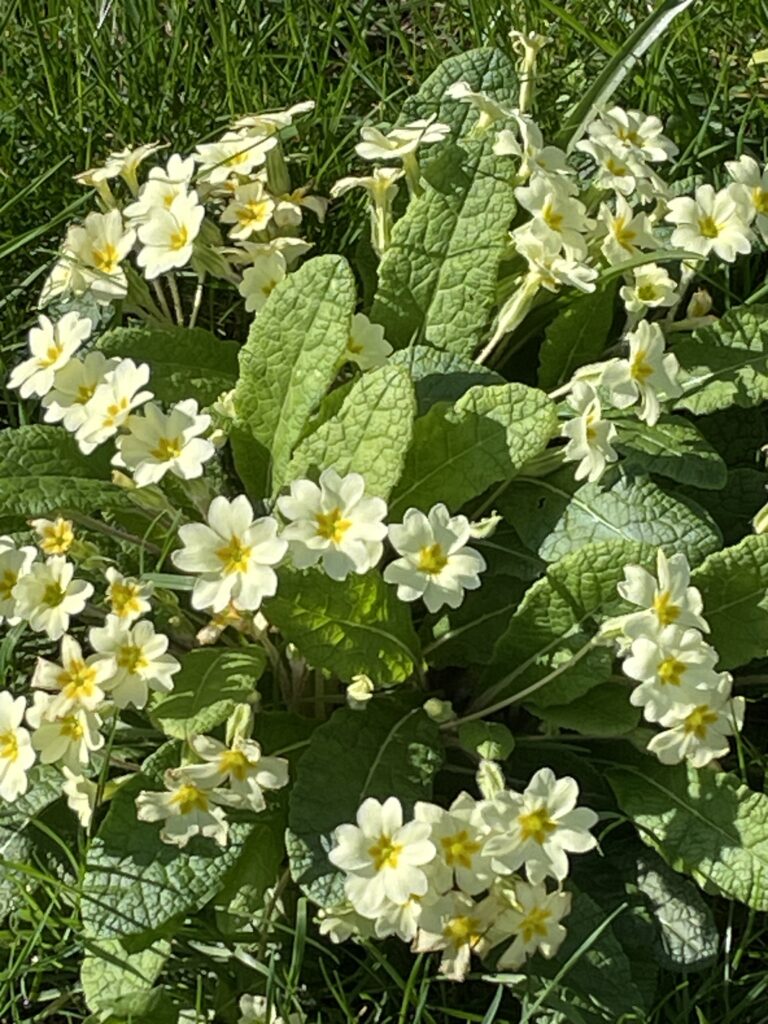
No problem though, there are many native bluebells, and some beautiful primroses (descendants of ornamental polyanthus) that have now returned to their native form. So it has a natural woodland feel, congruent with the local bluebell woods nearby.
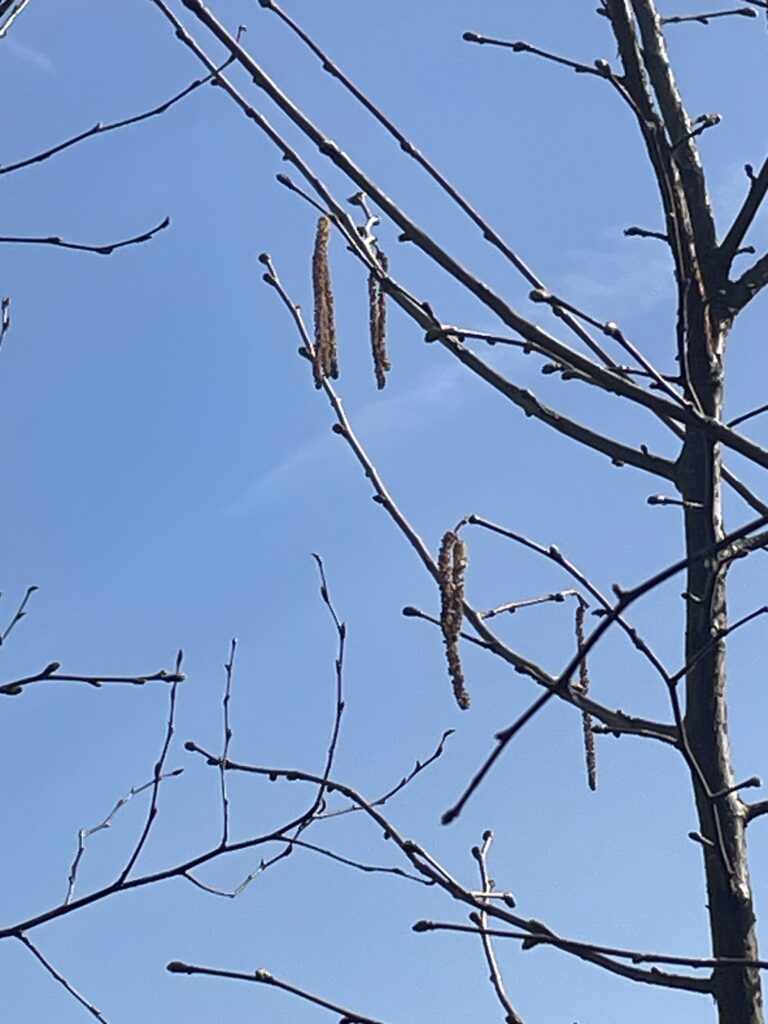
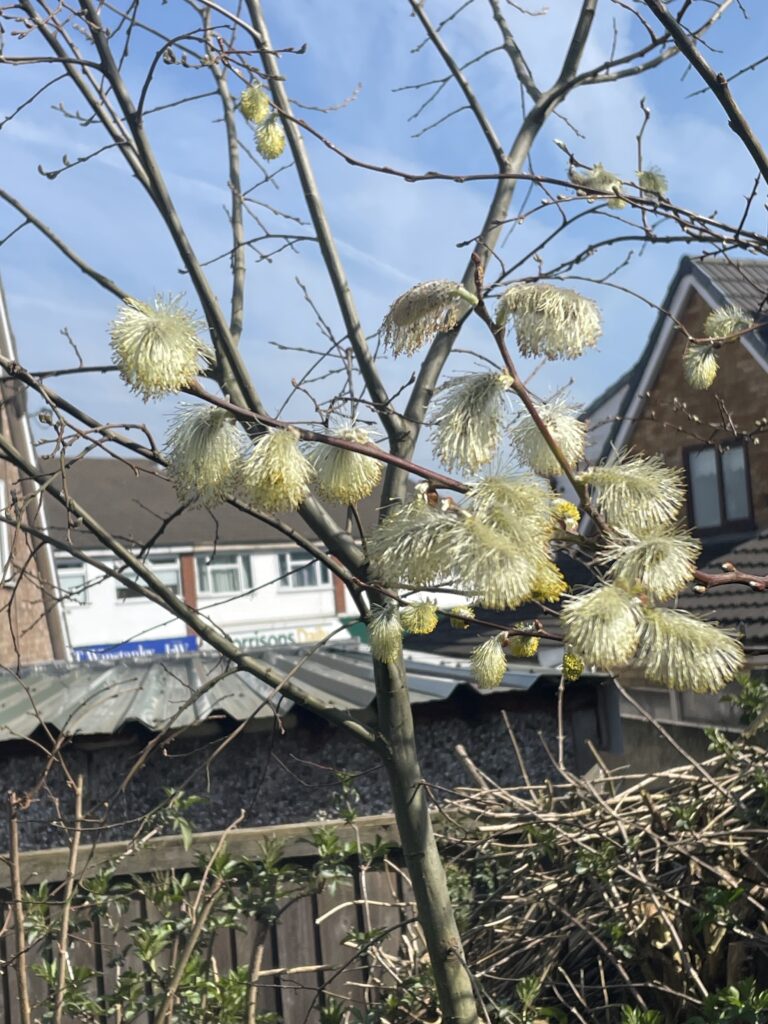
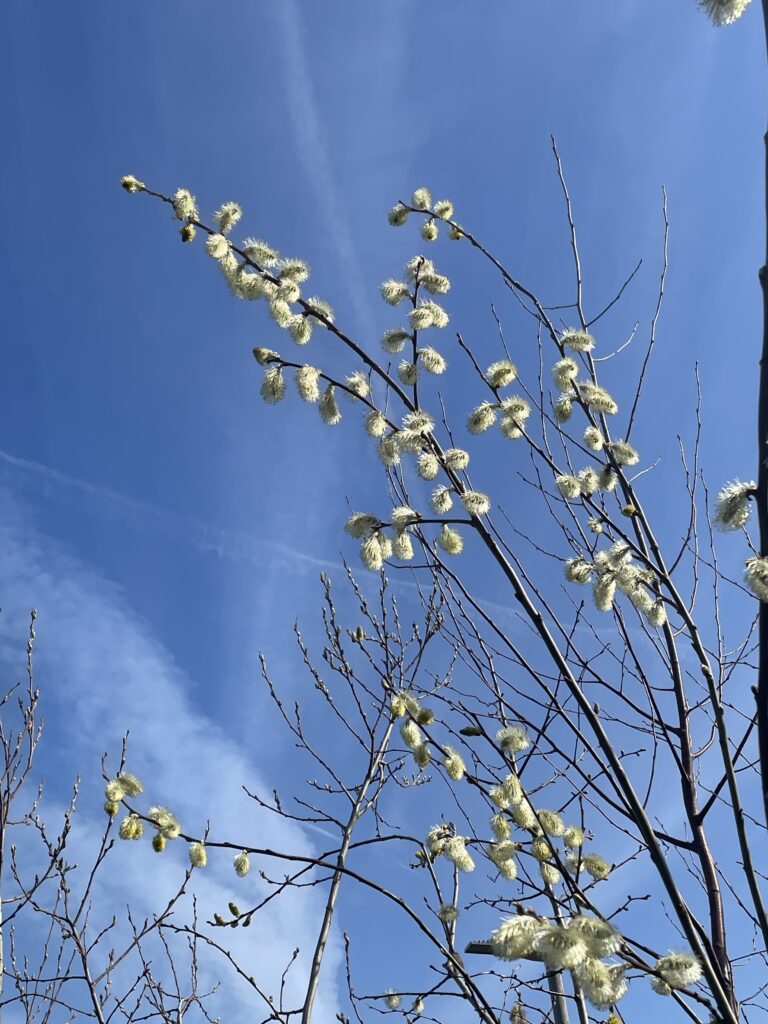
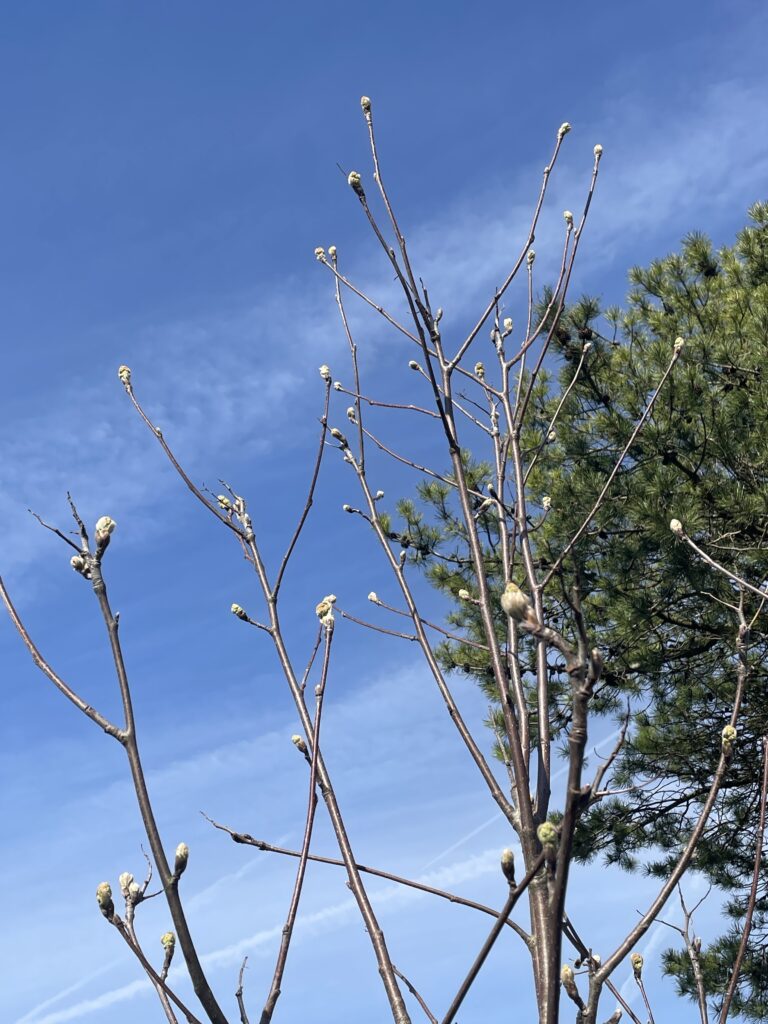
Shady woodland border, spring 2026The ferns die back in autumn and have a growth spurt in spring.Native bluebells.Spring 2026: native primroses thrive in the woodland environment.Native primroses.Spring 2026: “Catkins” on the established hazel tree.Spring 2026Growing beyond the shade: woodland border spring 2026woodland border, spring 2026woodland border, spring 2026
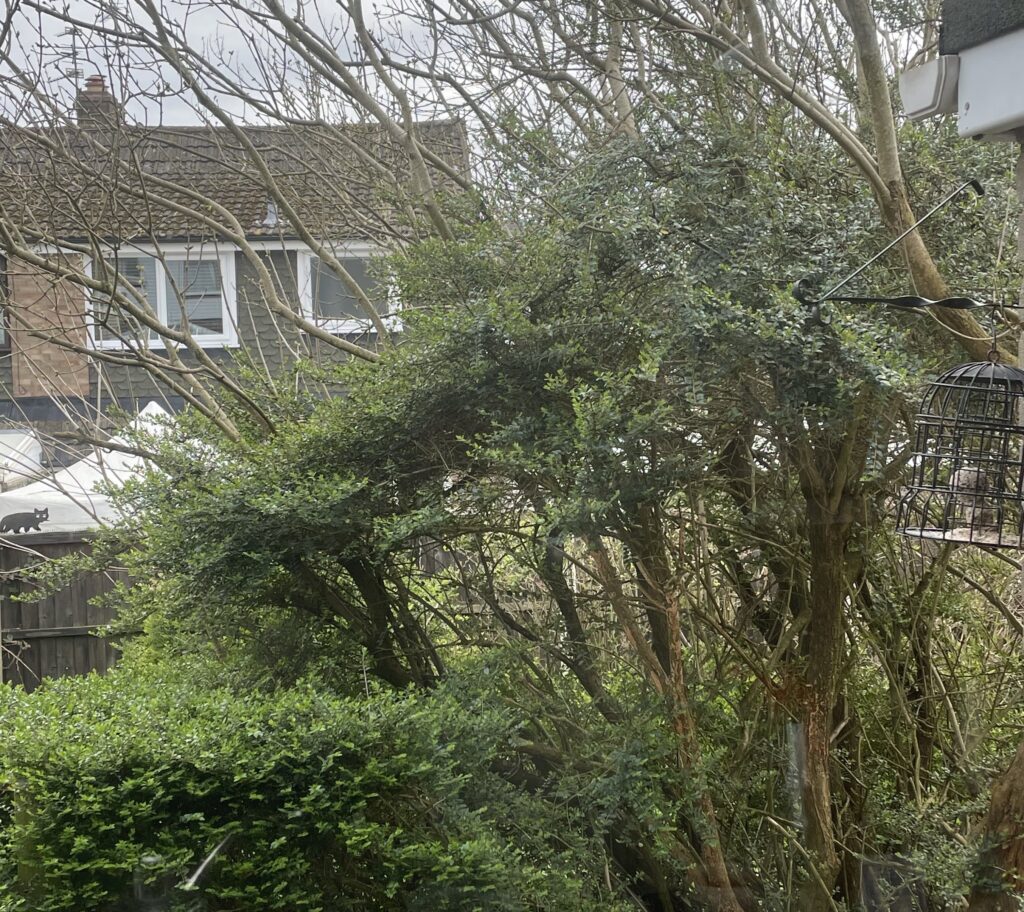
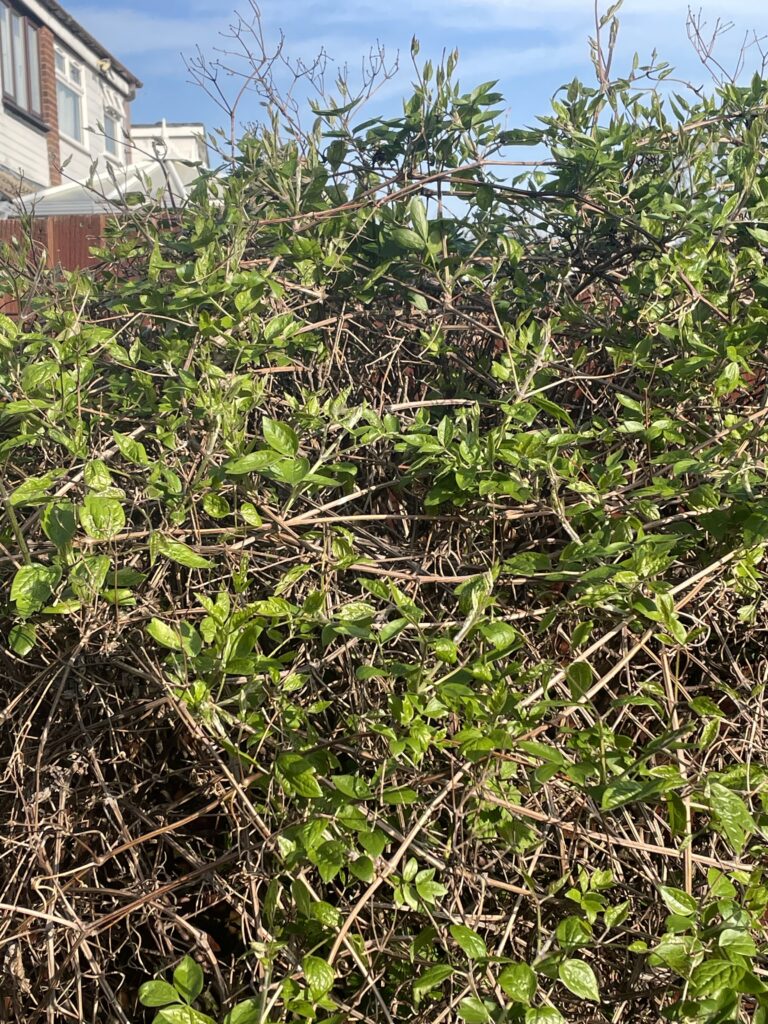
Every spring, I’m tempted to cut down the scruffy looking overgrowth of a non-native invasive shrub – and then either a blackbird, dunnock, robin, a pair of great, blue or coat-tits, or a family of sparrows will get my attention as they rest under cover waiting for their turn on the birdfeeder.
It’s already part of the plan to leave non-native species in place if they serve a purpose and can’t quickly be replaced by a native alternative. I’ve planted a native holly tree at the base of the apple tree- the next nearest place to the bird feeders but it’s still young and small and is not yet providing enough shelter for birds.
At this time the ‘winter canopy’ is the closest shelter to the birdfeeders where they can’t be seen by sparrowhawks cruising above, and they are protected from the elements. Of course during the winter is also when they are most dependent on the birdfeeders.
In spring when the leaves come on the lilac tree, it can’t be seen anyway. So I’m learning to live with it because the winter canopy is a very important shelter for the health and safety of the smaller birds!
For a while, there was a big problem with a lot of pigeons and starlings just eating all the bird food as soon as it was put out, and not leaving any for smaller birds. Then I read somewhere that starlings are not agile enough to navigate among dense tree branches, and it gave me an idea.
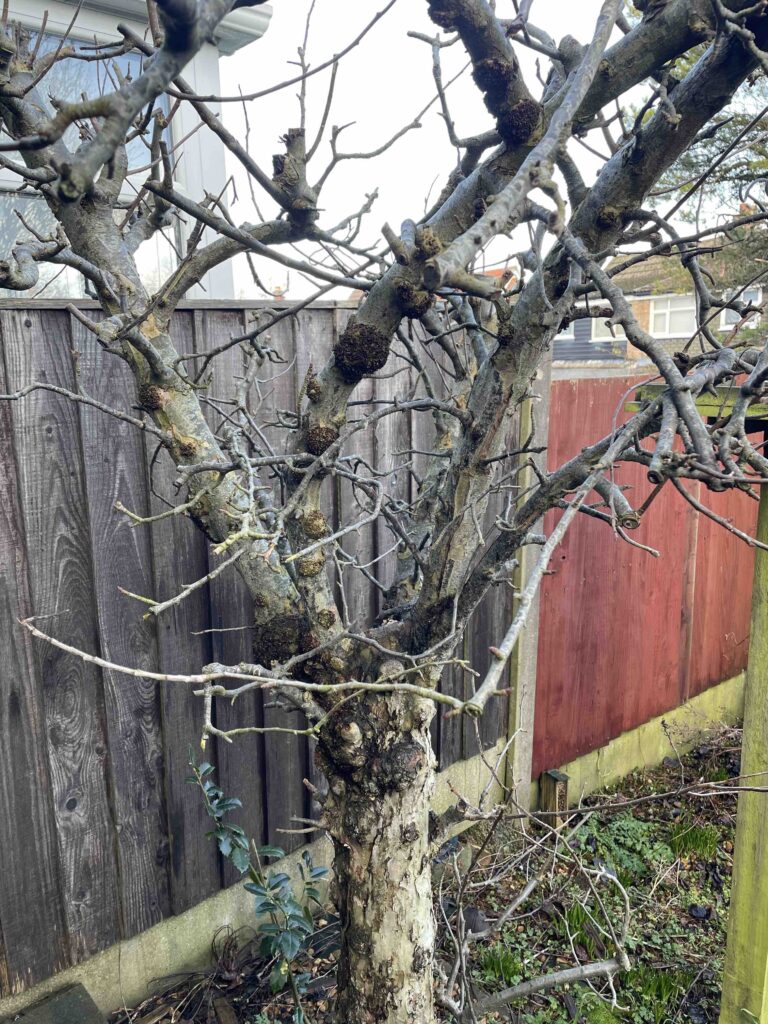
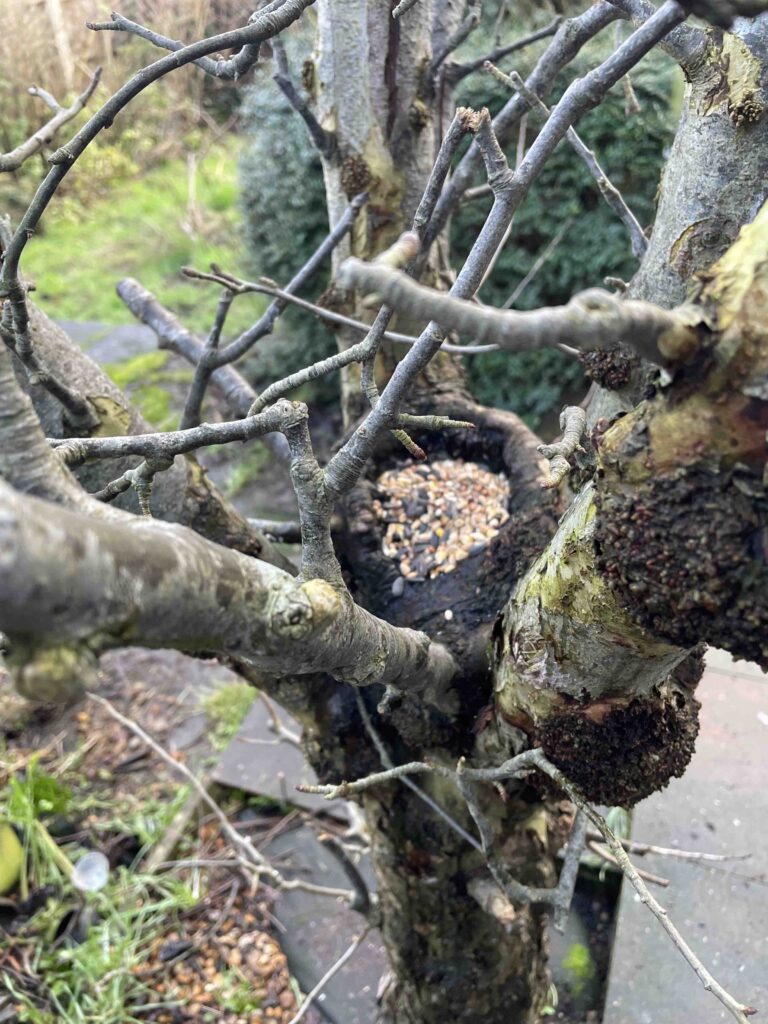
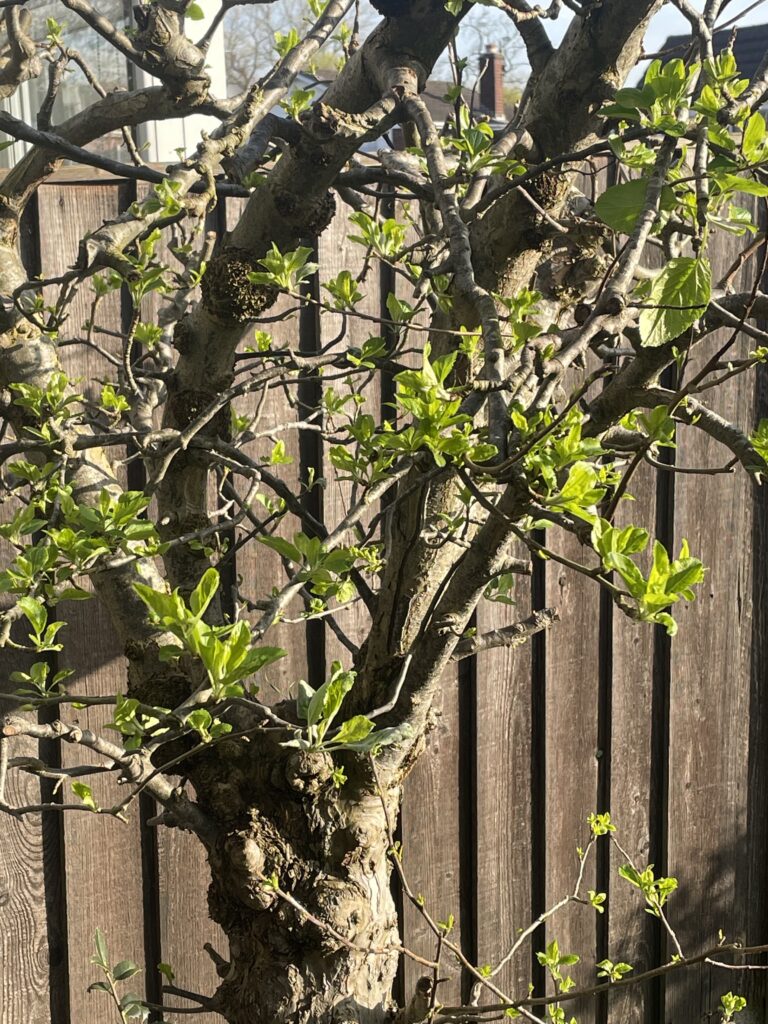
There are a lot of very tightly knit branches on the old apple tree, which also has a natural ‘bowl’ shape at the top of the trunk. So I tried putting some bird food in there to see what would happen.
The secret stash in the apple tree!
Almost immediately the smaller birds, and even the blackbirds, found it. The starlings didn’t even seem to notice it was there. Once I stopped putting food onto the bird table they never returned. A resident wood pigeon knows it’s there but can’t reach it! It’s especially well hidden during the summer months when the apple tree has leaves.
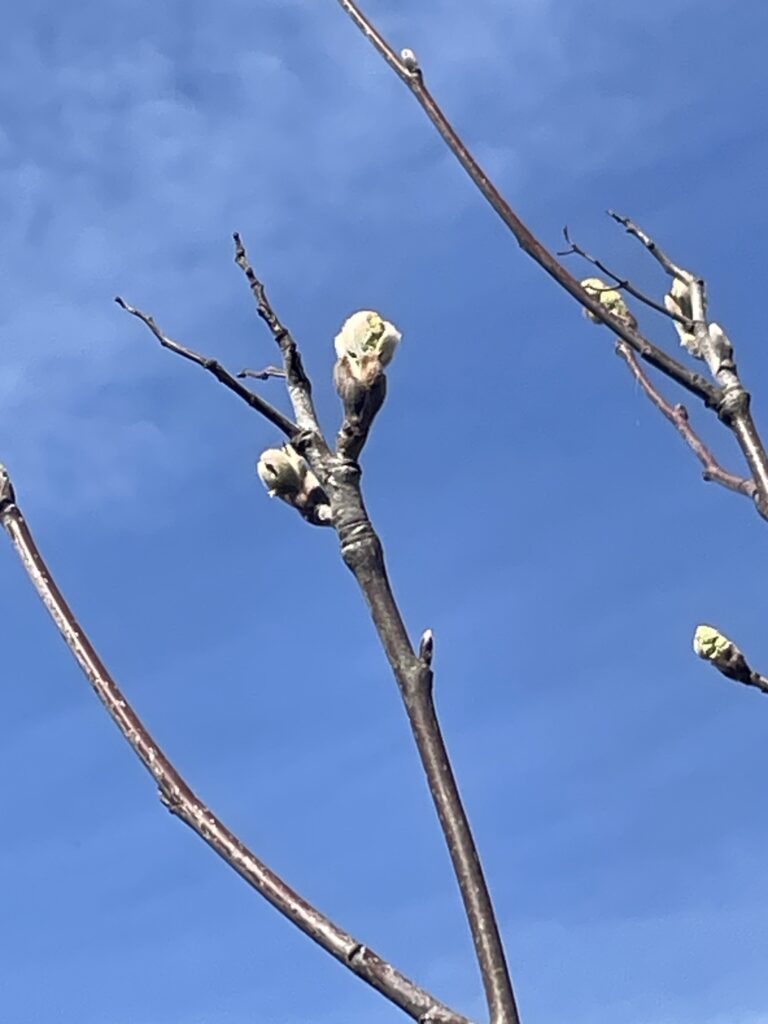
Spring 2026: new leaves appearing on the tree after the winter
Organic Apples
There have been no chemicals used in the garden for over 16 years, which is important to protect the insect population in general, and pollinators in particular. This means the apples are organic. They are slightly sour, a bit like a cross between a baking apple and an eating apple, but they are edible. They have even been used in apple pie on the menu in a local pub!
A Note On Cage Feeders
I’d heard stories about baby squirrels and baby birds getting caught in cage feeders, but the ongoing issue with starlings and pigeons was getting out of hand, so I felt it was worth giving them a try under supervision.
I introduced two cage feeders to the garden: one filled with bird seed, and the other holds fat balls.
They’ve been in place for over 12 months now (spring 2026)and haven’t had a single issue with a baby bird or a squirrel getting caught in them – but I do monitor them morning, noon, and night. I would take them down if I was going away. They have been very beneficial for smaller birds but do require supervision.
Increased Numbers of Small Birds
Without a doubt the combined effect of the secret stash and the cage feeders has resulted in a huge increase in smaller garden birds. Starlings are now a rare sight in the wildlife garden, which is home to sparrows, robins, blackbirds, dunnocks, great tits, blue tits, coal tits, a wood pigeon and even a nuthatch!
Frequent visitors are long tail tits and a sparrowhawk. Occasionally we see chaffinches, goldfinches, and bullfinches, and even a woodpecker. The rarest visitors were a pair of goldcrests that were passing through!
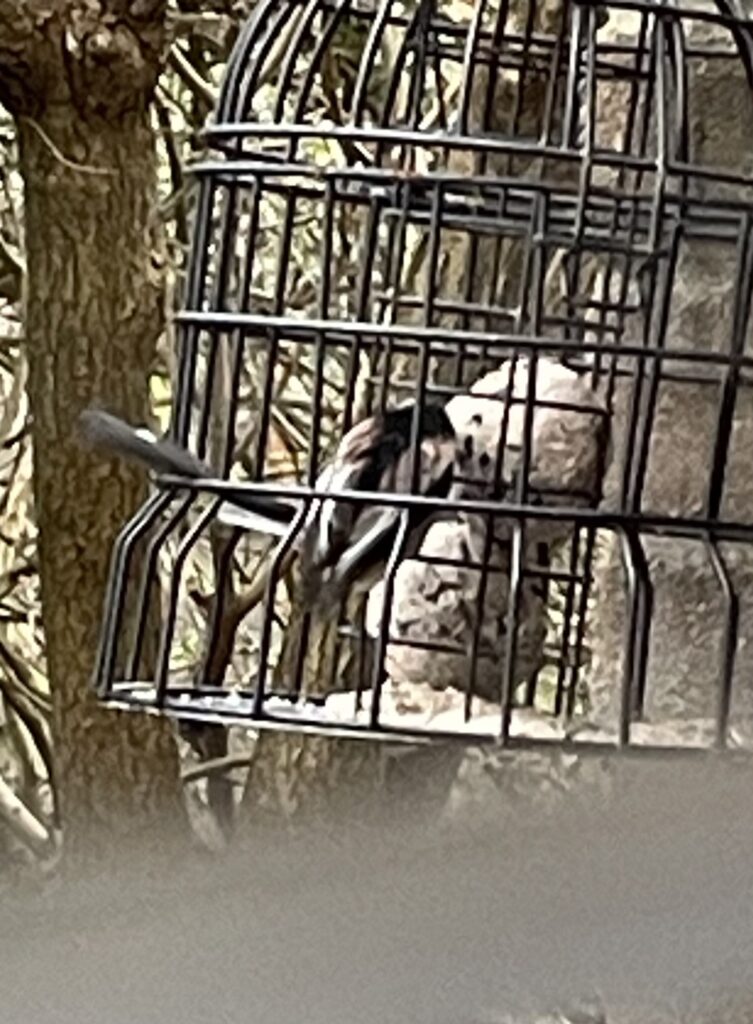
A long tailed tit on the fat ball cage feeder.
I have seen an occasional squirrel running along the fence, but they don’t hang around long and I haven’t seen any on the bird feeders. (things may change when the Hazel trees get more established and they come for the nuts! But that’s not an issue yet!)
So overall the ‘secret stash’ for small birds is a huge success!
In the garden were two mature non-native, invasive, buddleias at two corners. They were much loved by butterflies and their large size and ample foliage provided shelter for birds, who also enjoyed their seeds in autumn.
But the ongoing problem with buddleia is that they are not a native UK species and their seeds get carried far and wide by birds, causing them to spread invasively and aggressively where they are not wanted.
They had to go, but it would mean a loss of shelter that the newly-planted trees were not yet able to replace.
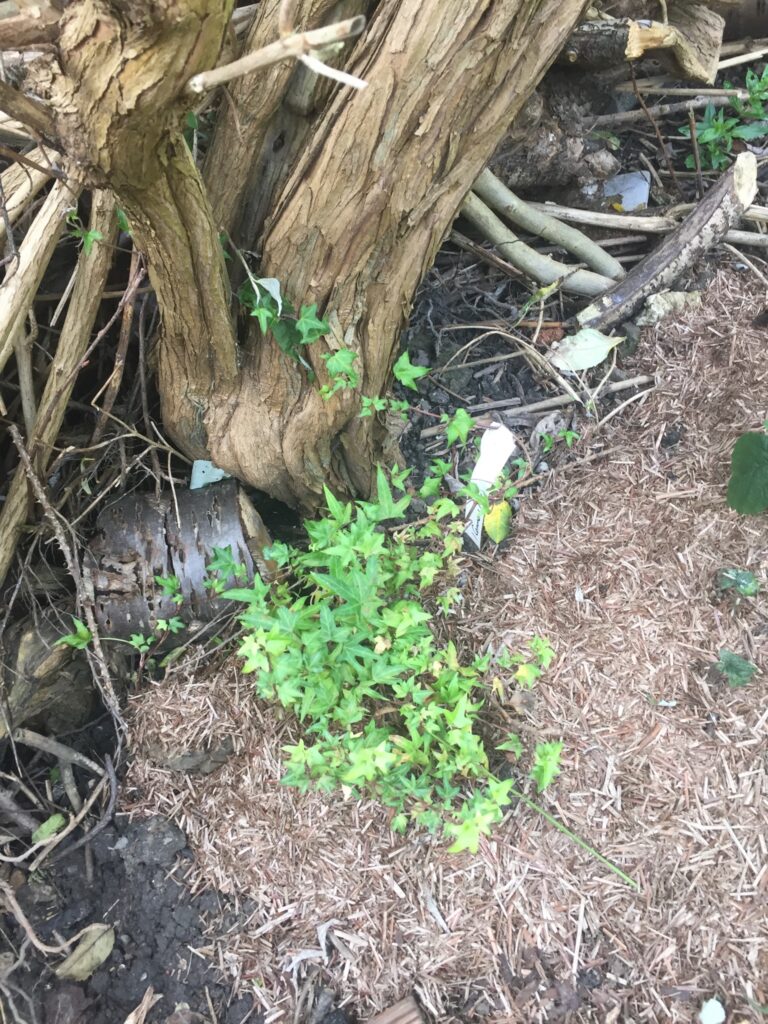
So began a slow transition of cutting the buddleia shorter each year, while at the same time planting ivy, and placing logs (from the old cherry tree) and wood trimmings around the base.
Eventually the old buddleia died and what remains are log piles that form an important habitat for insects, birds and small mammals.
Native clematis
Native Clematis
Native clematis was planted in another part of the garden that replaced the nectar from the buddleia and has now become the main attraction for butterflies, bees, and other pollinators!
Following the decision to create a tiny forest in the form of a wildlife hedge, a small area of 2 square metres was identified for planting.
Planting Begins!
Two old woody non-native (and invasive) cotoneasters were dug out and removed. These were replaced with native elder, holly, guelder rose, and hazel. Elder is fast growing and would soon create the density lost by the removal of the mature cotoneaster.
Young newly planted elder, hazel and goat willow. Top right the log pile can be seen. The fence bordering the neighbours garden can be seen at the back.
Because the ground couldn’t be dug out and cleared completely, due to pre-existing native bluebell bulbs, it was important to manage weeds to give the new trees the best chance. Woodchips were spread all around the area to keep down the growth of weeds.
A Woodland Walk
However, this part of the garden also bordered directly onto a shared fence with a neighbour’s garden.
This could lead to problems in the future if the maturing trees blocked access to the fence for maintenance, or worse, started to overgrow into the neighbour’s garden blocking their light and causing problems for them from overhanging trees.
So a woodland walk was planned, separating the wildlife hedge from the shared fence, and allowing access to both sides of the hedge for trimming and maintenance of the trees and shrubs
Clearing a pathway.
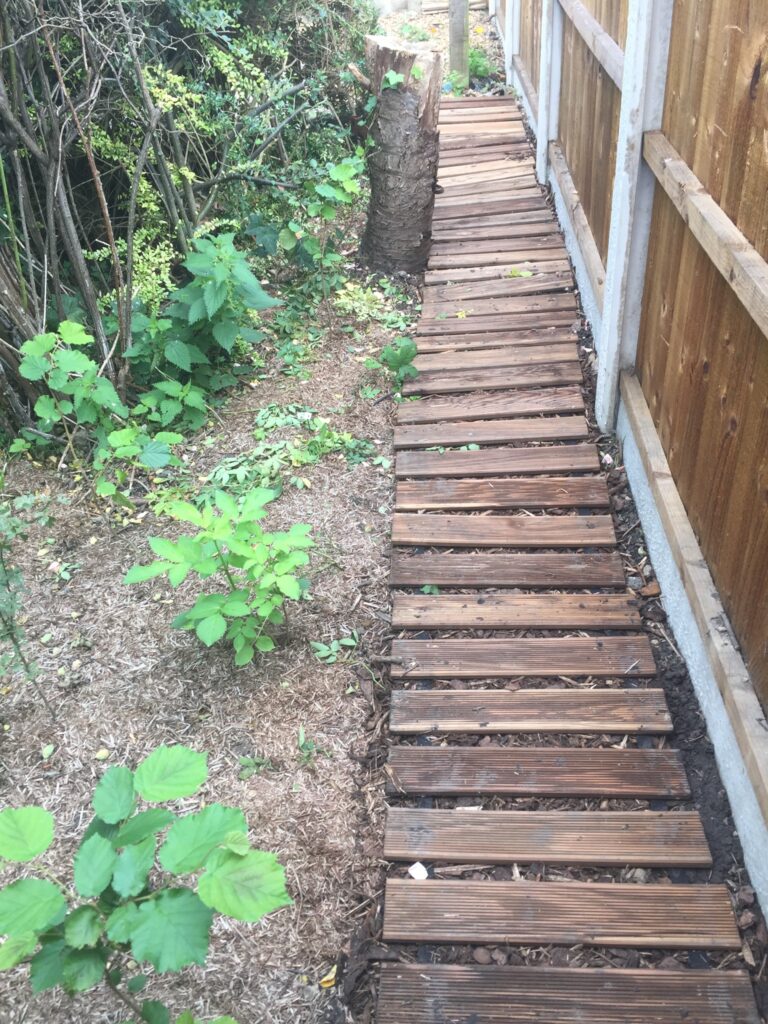
There were lots of old paving stones in various parts of the garden that were remnants of an earlier path. These were collected and bedded in to form a path running in front of the adjoining fence.
Next to create a more woodland feel, these were covered with a layer of woodchips and then a pre-treated larch wood track path was laid on top.
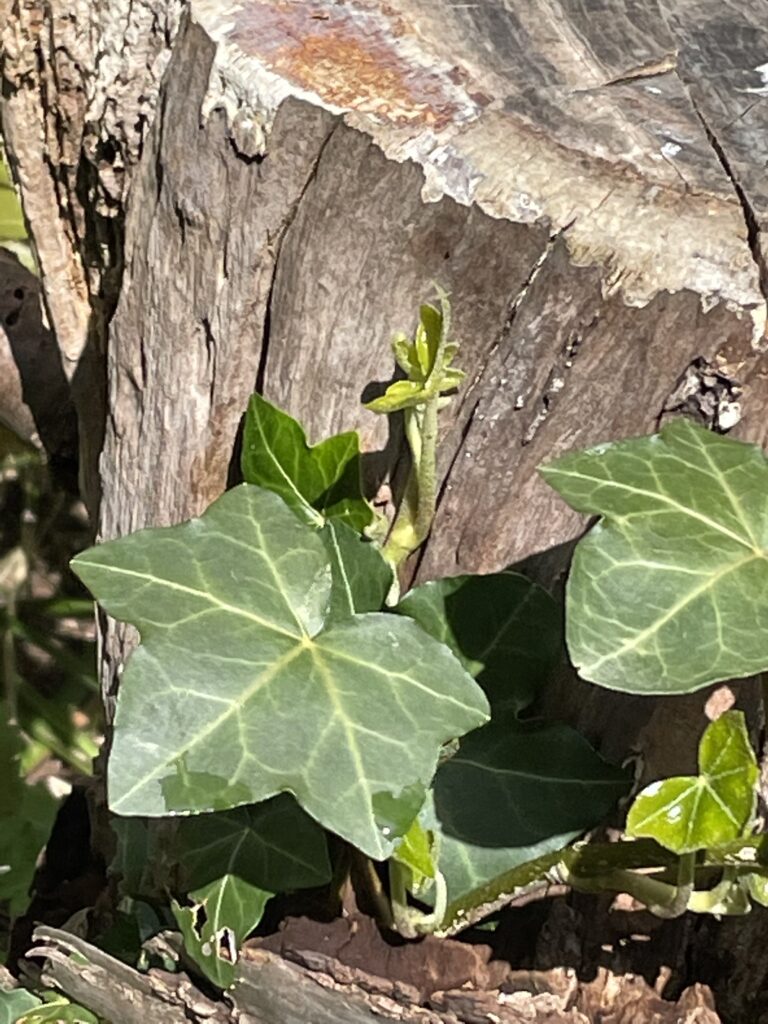
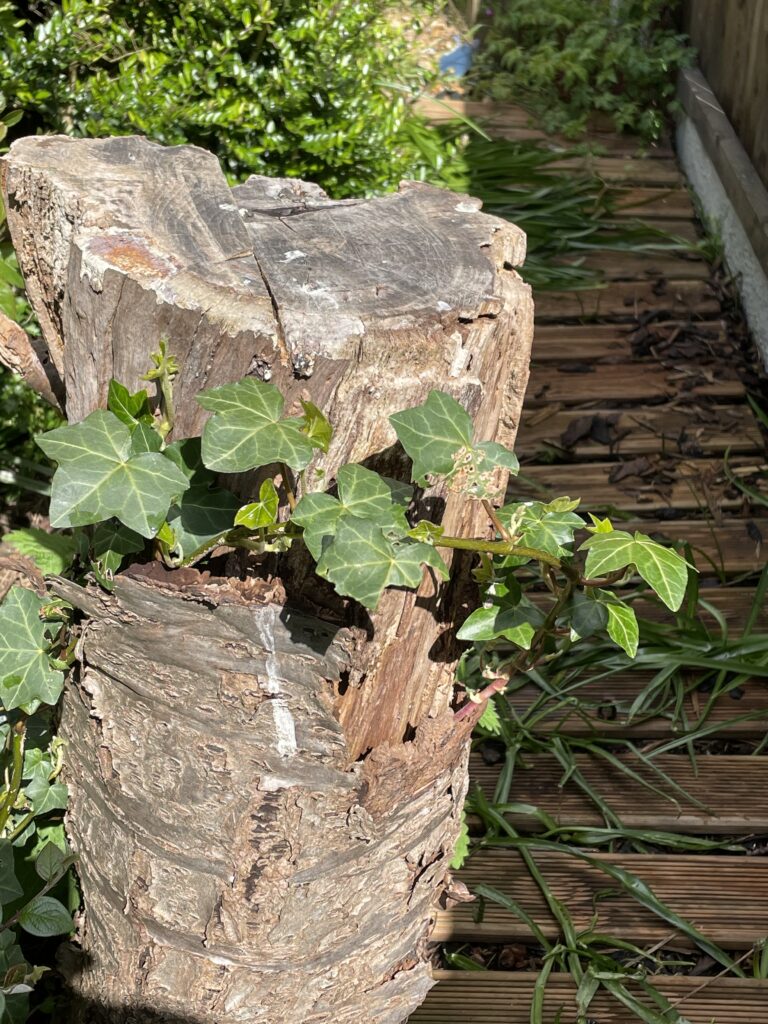
Larch wood track path. Newly planted elder, hazel, guelder rose, and holly in the foreground. On the left is a mature native dog rose, which was left in place to continue offering food and shelter for wildlife. Woodchips are spread over the area to keep weeds at bay.Woodland Walk. Newly planted hazel in the left foreground. Centre back: an old cherry tree that had died was cut down, but the stump left in place to create a habitat for insects, and offer support for native climbing ivy.Native Ivy climbing on the old cherry tree stump.
After the initial inspiration to create a tiny forest, the next obvious question was how?
The Research Stage
Research was needed to find out the best way to approach this. Most of the ‘how to’ YouTube videos on the subject (there are many) were starting a project from scratch: the best way to get a tiny forest to grow quickly involves preparing the soil to ensure there are plenty of nutrients so that the tint trees get of to a healthy start. But this situation was different.
Preserving Nesting Sites
This is an established old garden that had many mature, dense shrubs which, even though they weren’t native species and provided little by way of nutrition for wildlife, provided vital nesting sites for garden birds (especially blackbirds who returned every year to the same bush) and also provided shelter from weather, cats, and sparrowhawks!
The mission became how to improve the habitat for wildlife without losing the existing protection that the mature shrubs offered.
A Gradual Transition
While it was tempting to clear the space completely and rapidly grow a tiny forest, this would not only have meant destroying the existing dense cover, but also would have destroyed hundreds of native bluebell bulbs that were peacefully sleeping ready to emerge next spring.
It was decided that even though the tiny forest would grow more slowly, it would be better to preserve what already existed, and build on it.
This meant a slow process of identifying and removing non-native species, and replacing them with native ones.
The Flowering Gap
There wasn’t much by way of year-round blossom to provide nectar for bees, butterflies and other pollinators. There was an apple tree and lilac tree that blossomed in spring and then two stray buddleias that had acquired a stronghold in two corners of the garden, that kept the butterflies happy briefly in late summer, but are a non-native invasive species that has it’s own problems (more on that later).
In planning the tiny forest, it was important to reintroduce native species, and consider what would provide food and shelter all year round.
Making Space
After much planning the work began. An old flower border, making up a two meter square section, contained two old woody cotoneaster shrubs that were non native and flanked on either side by an old (native) dog rose and a stray (non-native) buddleia.
Leaving the buddleia and dog rose for now (happy butterflies), and leaving other shrubs undisturbed where the blackbirds were nesting, it wad decided to remove the cotoneaster first to make space for new native trees and shrubs. This would be the location of the tiny forest.
A Wildlife Hedge
Given the proximity to neighbour’s gardens it was decided a full height forest might cause problems, but a wildlife hedge could still be achieved by planting native trees and shrubs and keeping them cut to the height of a hedgerow.
The Planting List!
Taking into account native species, flowering time, and overall value in terms of providing food and shelter for birds, bees, butterflies and other wild life, the final planting list was decided on!
The tiny forest aka wildlife hedge would include some pre-existing native plants: bluebells, primroses, dog rose, nettles and brambles; in addition 22 more shrubs and trees were planted including: holly, ivy, hawthorn, elder, hazel, goat willow, silver birch, foxgloves and ferns.
In another part of the garden honeysuckle, lavender and a native clematis were planted to increase support for pollinators.
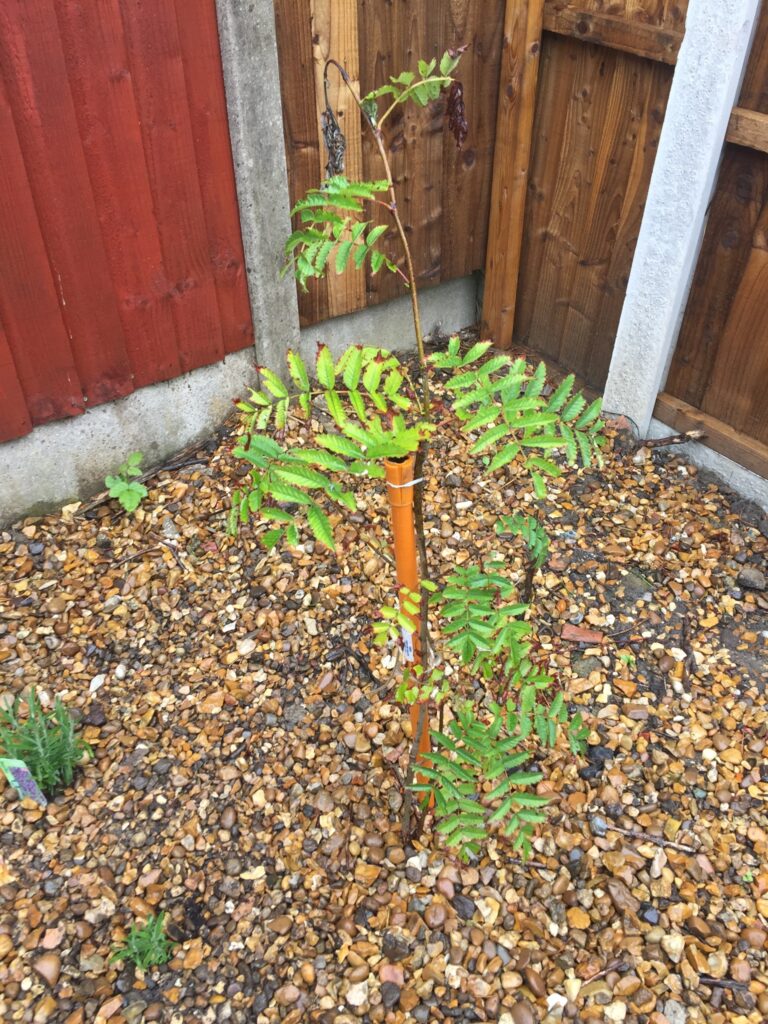
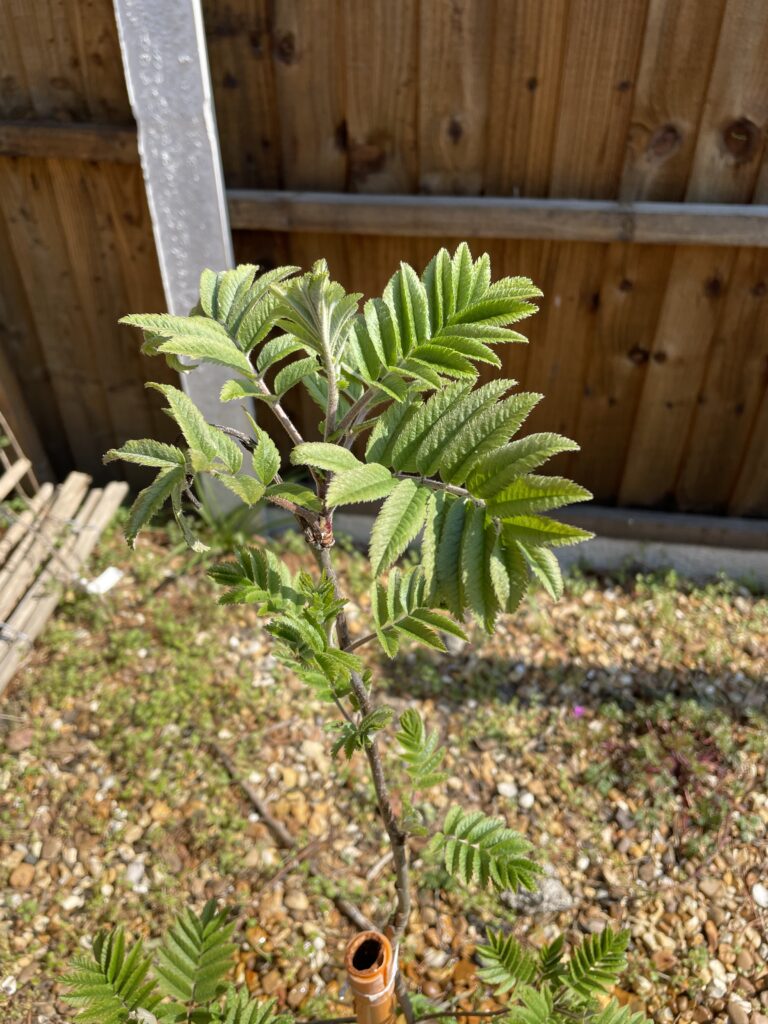
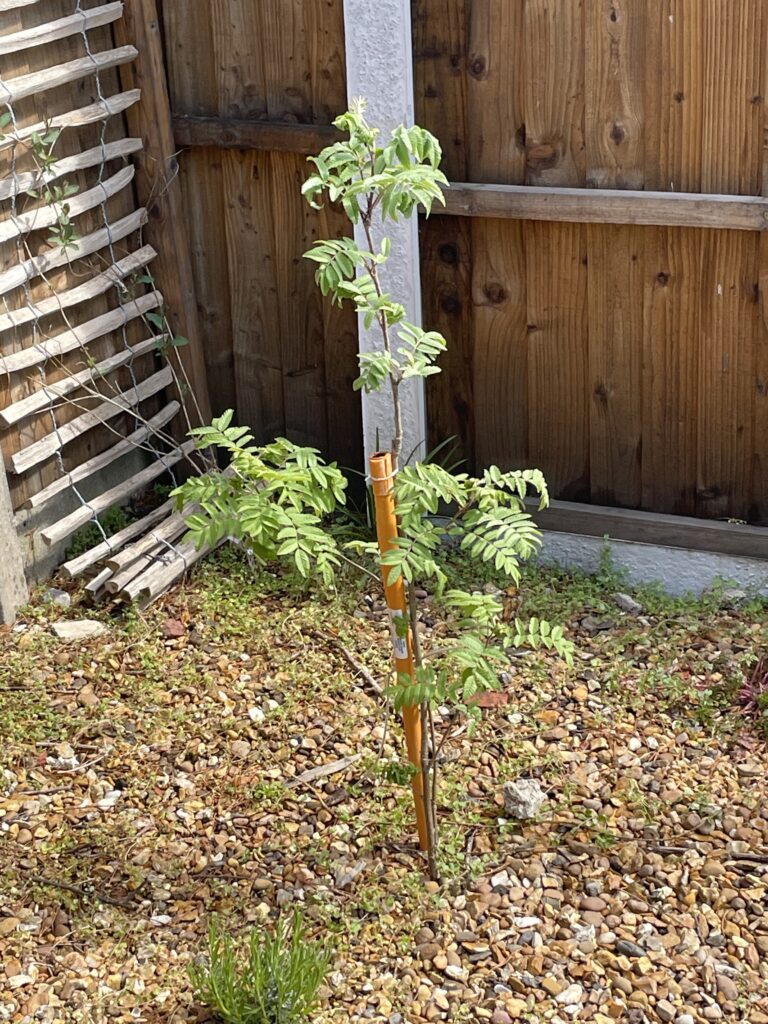
July 2020. Replanted Rowan (Mountain Ash) tree in it’s new site..
One morning in 2020 I noticed a small Rowan tree growing between the flagstones on the front drive. It had been hidden until now by a berberis hedge, but had fallen away from the hedge and become visible because it was starting to droop. It was maybe two years old, and was clearly struggling in this location. It’s roots must have now hit concrete and could no longer find water and/or nourishment.
It was a hot July and not the best time of year to move a tree, especially one that was already compromised, but we decided to take a chance to save it. So we carefully lifted one of the flagstones, teased out it’s misshapen roots and relocated it. It was risky but it couldn’t have survived for much longer anyway in it’s current location.
We moved it to a new home in the back garden, but soon after moving it started to droop even more. We continued to nurture it, watering it daily and encouraging it to grow.
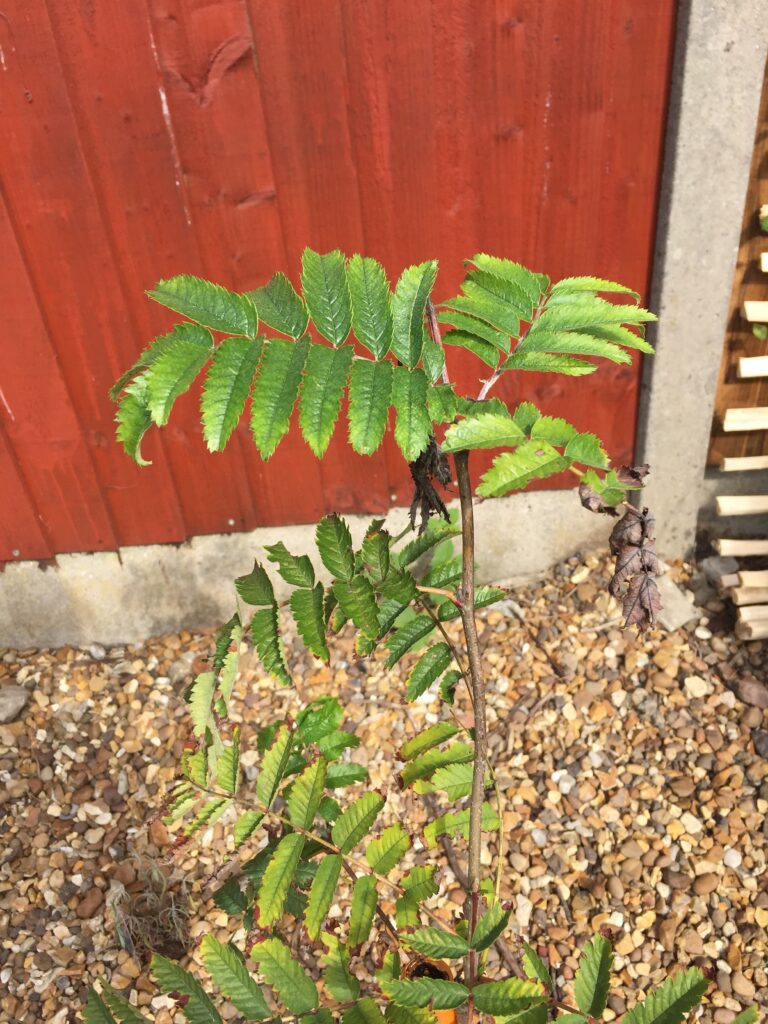
August 2020. Watering daily.
By August some leaves had died and many were curled up at the edges but the little Rowan tree hung on and some of the top leaves appeared to be recovering.
August 2020. A droopy little Rowan still hanging in there!
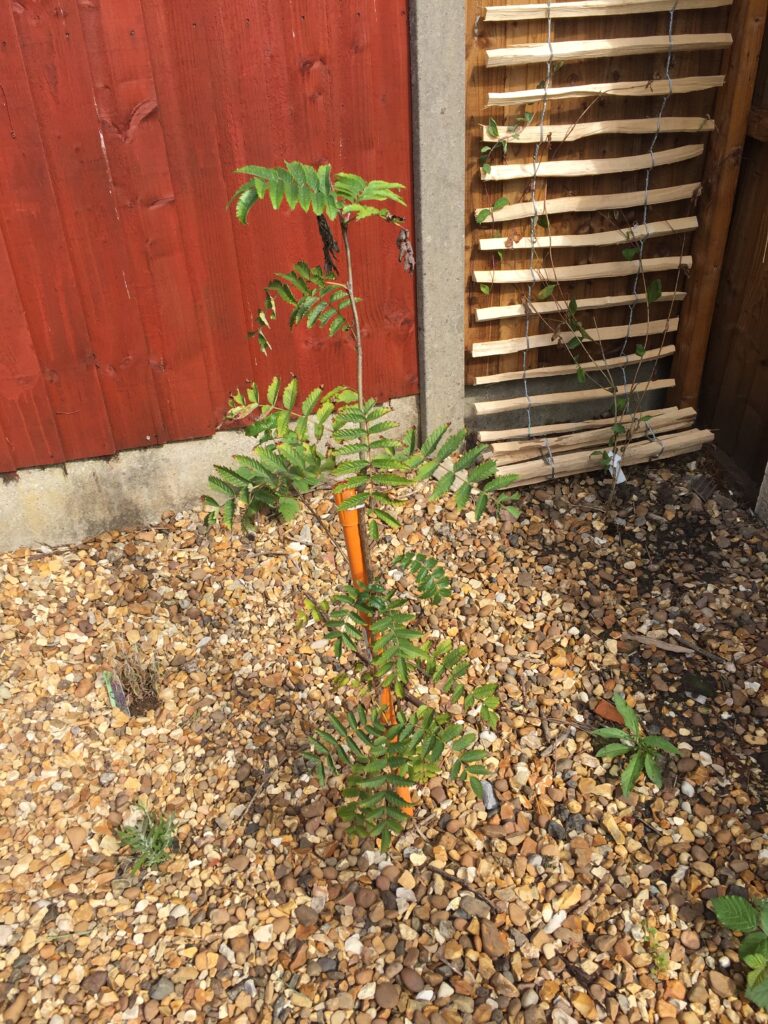
Daily watering continued throughout 2020 and the little Rowan seemed to be resting and recovering. There was nothing to see in terms of visible growth, but the droop had slowed down and at least it wasn’t dead.
April 2021.
The following spring, 2021, the first new growth appeared! A new level of top branches had sprouted, with new leaves. The tiny Rowan had survived the winter and was choosing life!
May 2021
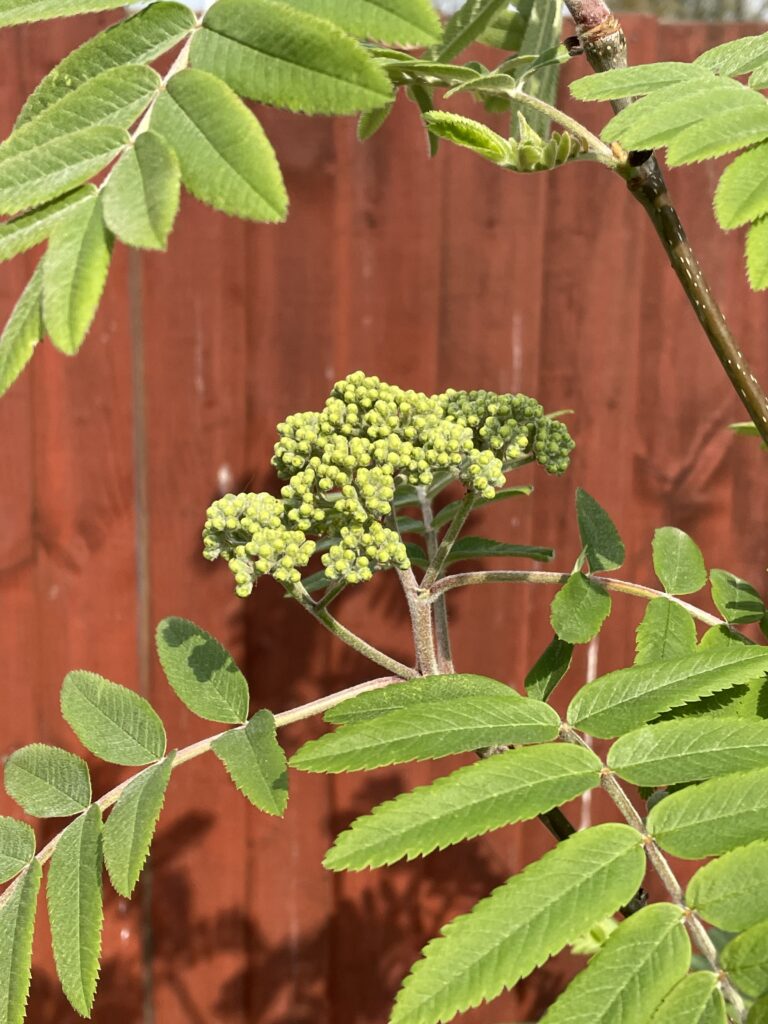
In April 2023 we saw the first blossoms appear!
April 2023
The Rowan tree story is such a beautiful symbol of how nature can regenerate with a little TLC (tender loving care) and support.
This Rowan Tree is now the mascot for our Tiny Forest and wildlife garden, holding vigil and encouraging all the other baby trees to thrive!
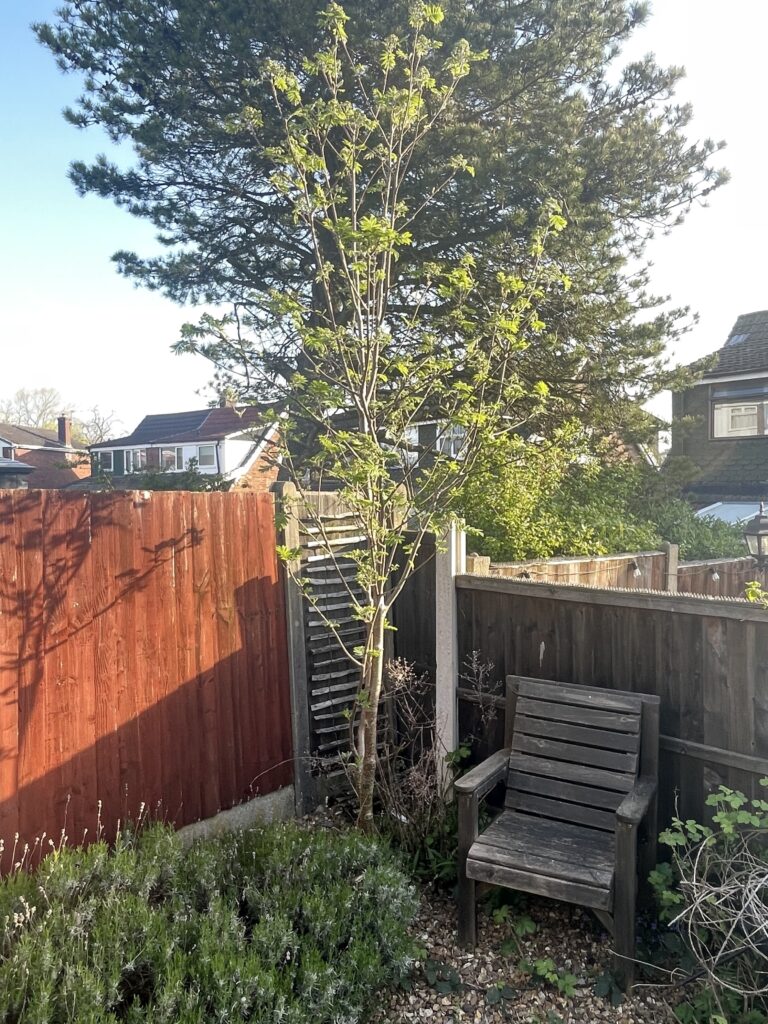
Spring 2026. Six years on and our little Rowan is catching up to a neighboring pine tree !
Planted by nature: an Ash sapling growing from seeds that had either blown in on the wind or been delivered by bird droppings!
I’d always dreamed of one day buying some waste land and reforesting it, but it never occurred to me that an ordinary suburban garden could not only be transformed into a natural habitat for wildlife, but could become part of a global refforestation movement.
The I saw Shubhendu Sharma’s TED talk on Tiny Forests, which planted further seeds of inspiration!
His ideas are based on the work of Japanese botanist Akira Miyawaki, who developed an afforestation technique that involves planting a diverse mix of native tree species closely together to create dense, multi-layered forests that grow rapidly.
The ‘seed’ that remained in my mind was that you could plant a tiny forest in a space as small as one square meter!
So in addition to making the garden more habitable for wildlife, it now became possible to allocate a part of the garden to become a tiny forest.
Native nettle, bluebells and brambles with non-native cotoneaster in the foreground.
Although the established garden was already rich with spring plants, bluebells, primroses, lilac and apple blossom, there were many non-native species which don’t provide enough food for local wildlife.
Another issue was the lack of sustained pollen throughout the year. Once the spring blossoms had fallen that was about it. Something more was needed.
Tiny saplings were often found in crevices between flagstones, and at the base of fences. It seemed nature was trying to tell us something… the trees wanted to come back!
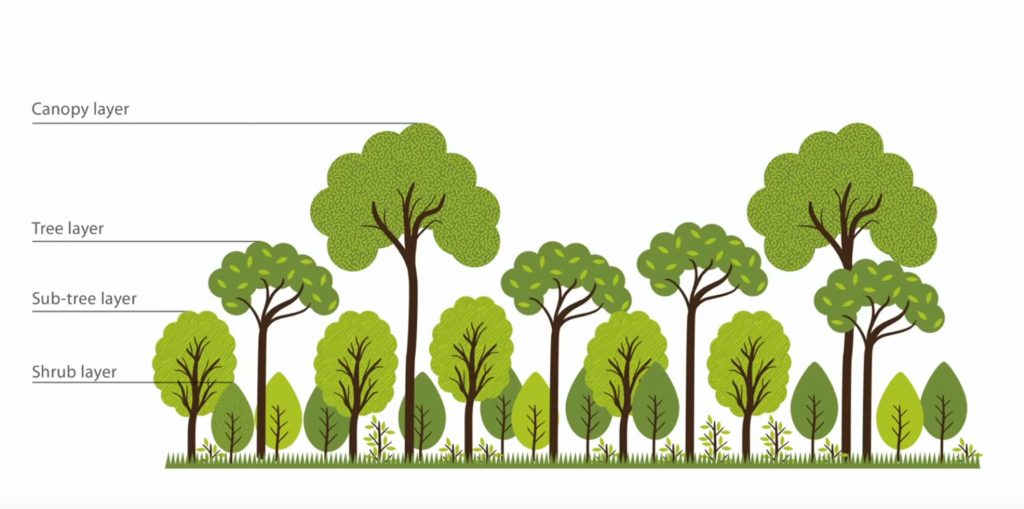
A bit of research revealed that the native forests in this area would originally have been mainly Ash and Beech forests with an ‘understory’ (a layer of trees that thrive under the main canopy of taller trees in a forest) of Hazel and Hawthorn.
So Mother Nature seemed to already be planting a woodland garden here!